
Four days. That’s the number that works for most travelers visiting Buenos Aires for the first time. Four full days gives you enough time to walk the major neighborhoods, eat your way through the city’s extraordinary food scene, see a tango performance, and still have room for the unplanned detours that make Buenos Aires feel like more than a checklist. If you want to cross the Río de la Plata to visit Colonia del Sacramento or Montevideo, stretch it to six.
That’s the short answer. The longer answer depends on what kind of trip you’re building, how much you care about food versus culture versus nightlife, and whether Buenos Aires is your only stop in Argentina or a launching point for Patagonia, Mendoza, or Iguazú. Below, I’ve broken it down into three scenarios that cover the most common situations.
2 Days: The Layover or Short Stop
Two days is tight, but it’s enough to understand why people fall in love with this city. You won’t see everything, and you shouldn’t try. The goal with a 48-hour visit is to experience the texture of Buenos Aires rather than tick off a list.
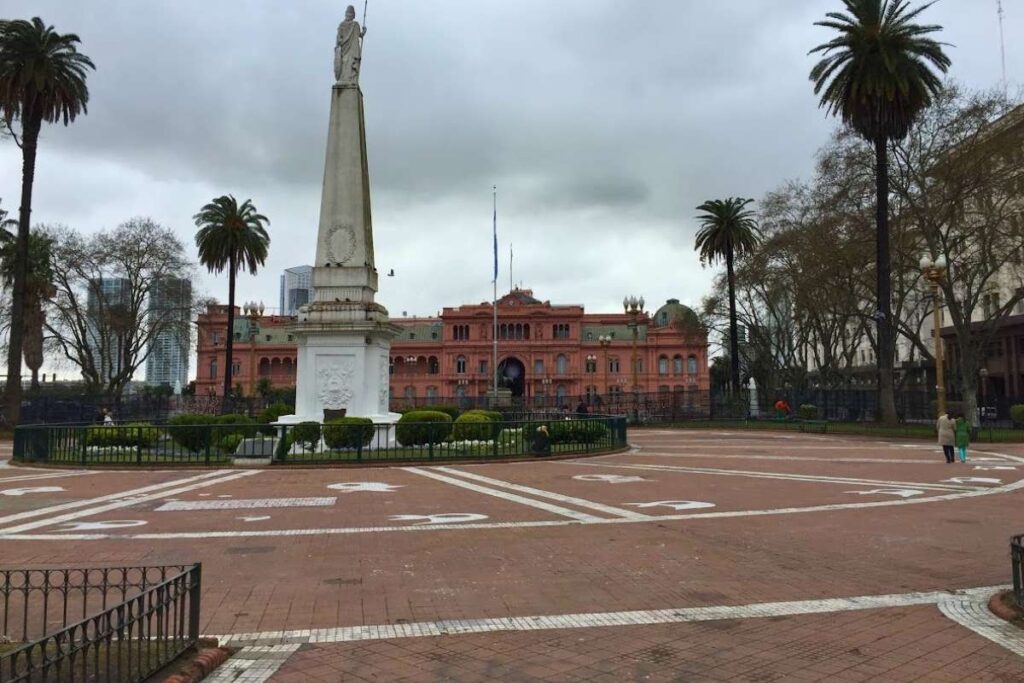
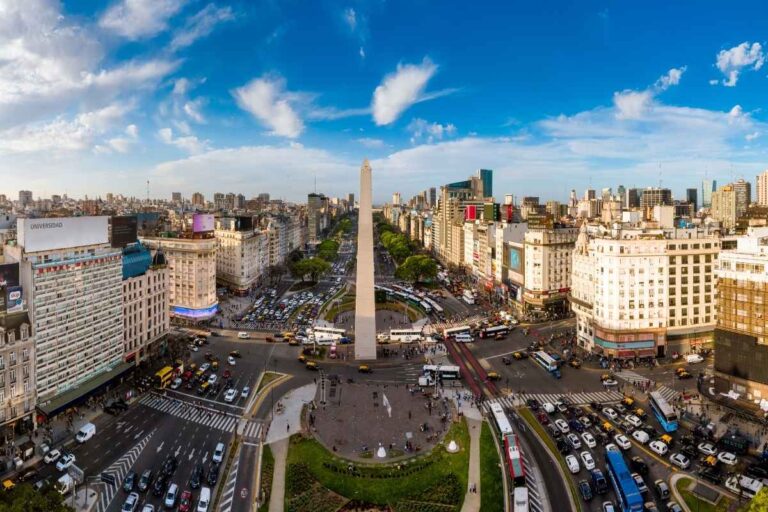
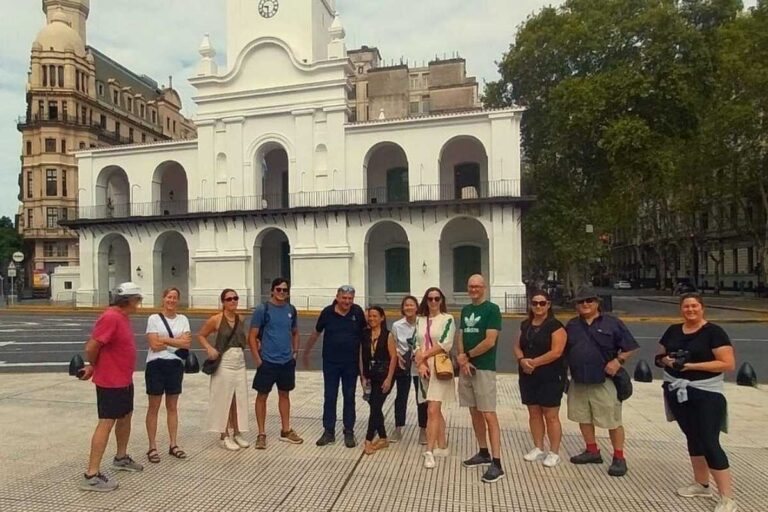
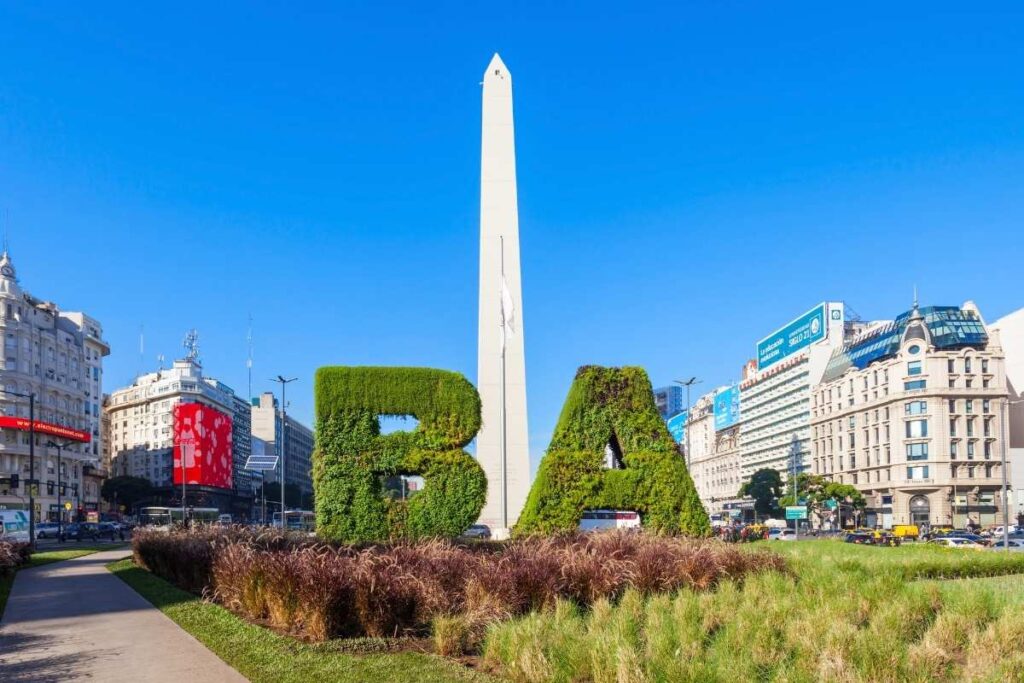
Day 1 should focus on Centro and San Telmo. Start at Plaza de Mayo, walk past the Casa Rosada and the Catedral Metropolitana, continue along Avenida de Mayo to the Obelisco, and visit the Teatro Colón if you can get a morning tour slot. In the afternoon, walk south into San Telmo, explore the Mercado de San Telmo, and have dinner at one of the neighborhood’s traditional parrillas. If your two days include a Sunday, the Feria de San Telmo along Calle Defensa is the single best open-air market in the city.
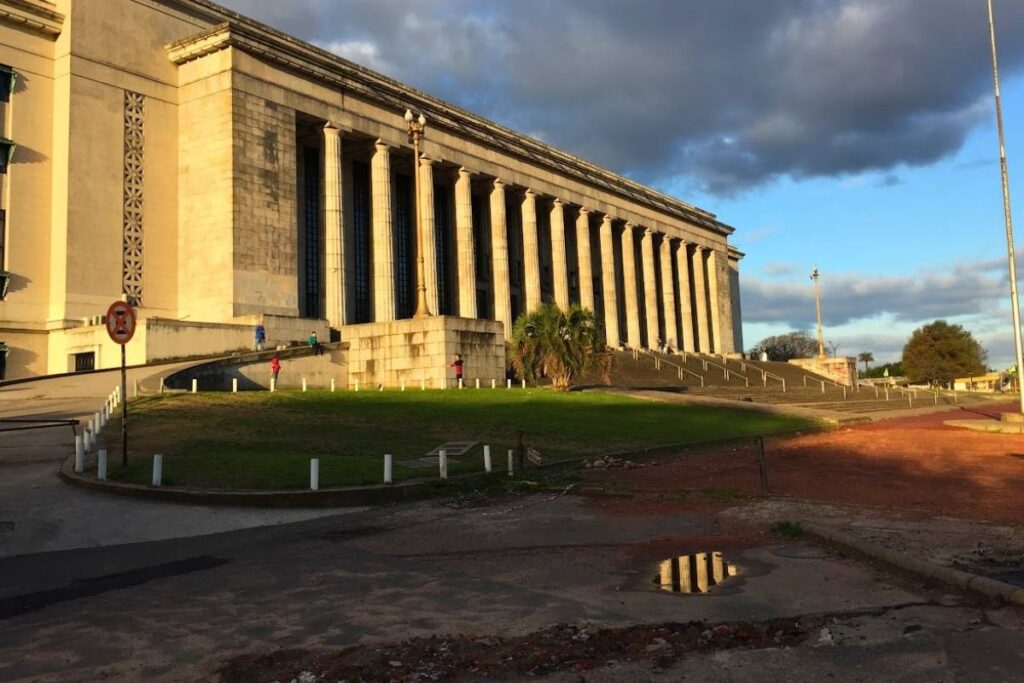
Day 2 should cover Recoleta and Palermo. The Cementerio de la Recoleta takes about an hour and is one of the most extraordinary cemeteries in the world. The Museo Nacional de Bellas Artes is free and worth at least 45 minutes. Walk west into Palermo Soho for lunch, street art, and independent shops, and spend the evening in the neighborhood’s restaurant and bar scene.
With only two days, where to stay in Buenos Aires matters more than usual. Choose San Telmo or Palermo to minimize transit time and maximize walking. Both neighborhoods put you inside the itinerary rather than commuting to it.
Two days will leave you wanting more. That’s the point. Buenos Aires is a city that rewards return visits, and a short first trip is often the reason people come back for a longer one.
4 Days: The Sweet Spot
Four days is the duration I recommend to most first-time visitors, and it’s the one that consistently produces the best experiences. With four full days, you can cover the four essential neighborhood clusters without rushing, eat at places worth eating at, see tango done well, and still have time to sit in a café with a cortado and watch the city go by.
The structure that works best is geographical: group your days by area so you’re walking within neighborhoods rather than crossing the city repeatedly.
Day 1: Centro and San Telmo. Plaza de Mayo, the Obelisco, Teatro Colón in the morning. San Telmo, the Mercado, and Calle Defensa in the afternoon. Dinner in San Telmo.
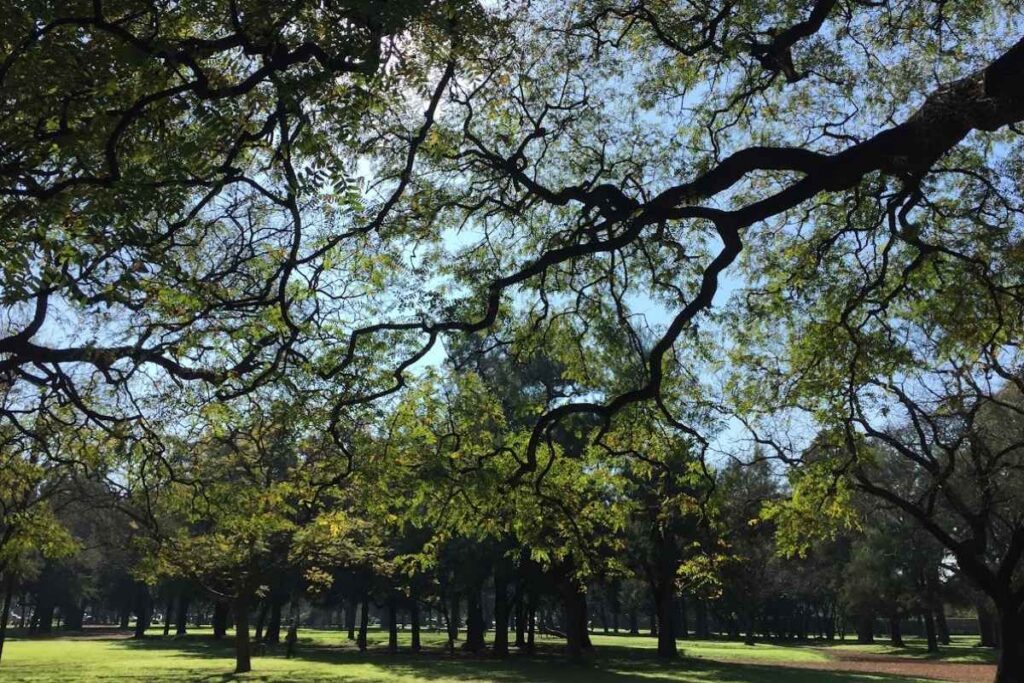
Day 2: Recoleta and Palermo. Recoleta Cemetery and the Museo de Bellas Artes in the morning. The Bosques de Palermo and Rosedal for a midday break. Palermo Soho and Palermo Hollywood for lunch, shopping, and an afternoon cerveza artesanal. Tango in the evening.
Day 3: La Boca and Puerto Madero. Caminito and La Bombonera (the Boca Juniors stadium) in the morning or early afternoon. Walk north along the waterfront to Puerto Madero, cross the Puente de la Mujer, and visit the Reserva Ecológica Costanera Sur. If this day falls on a Sunday, start with the Feria de San Telmo before heading to La Boca.
Day 4: Flexible. Revisit your favorite neighborhood, take a boat trip to Tigre and the Paraná Delta (55 minutes by train from Retiro), attend a football match if one falls on your schedule, or simply slow down and eat at the places you walked past earlier in the week.
For a detailed, hour-by-hour breakdown of this structure with real walking distances and transit times, our 4-day Buenos Aires itinerary covers exactly this route.
Four days also gives you enough time to move beyond the obvious. The neighborhoods that most travelers miss, Chacarita, Villa Crespo, Colegiales, are where Buenos Aires’ food and nightlife scenes have been migrating in recent years, and a fourth day provides the breathing room to explore them.

On the question of tours and experiences in Buenos Aires: the city is absolutely walkable on your own, but guided experiences add genuine value for specific things. A food tour in San Telmo, a street art walk in Palermo, a behind-the-scenes visit to the Teatro Colón, and a properly chosen tango evening all benefit from having someone who knows the city lead the way.
Four days gives you room to mix independent exploration with one or two structured experiences without overscheduling.
Is 3 Days Enough in Buenos Aires?
Three days works, but you’ll feel the compression. The practical difference between three and four days is that with three, you either skip one of the major neighborhood clusters (usually La Boca and Puerto Madero) or you rush through the ones you do visit. If three days is all you have, follow Days 1 through 3 of the four-day structure and accept that you’ll be moving at a pace that doesn’t always match the city’s rhythm. Buenos Aires is not a city that likes to be rushed.
6+ Days: Crossing the Río de la Plata
Six or more days is where Buenos Aires transforms from a city trip into a regional experience. The Río de la Plata separates Argentina from Uruguay, and the crossings are fast, affordable, and genuinely worth the detour.
Colonia del Sacramento (1 Day)
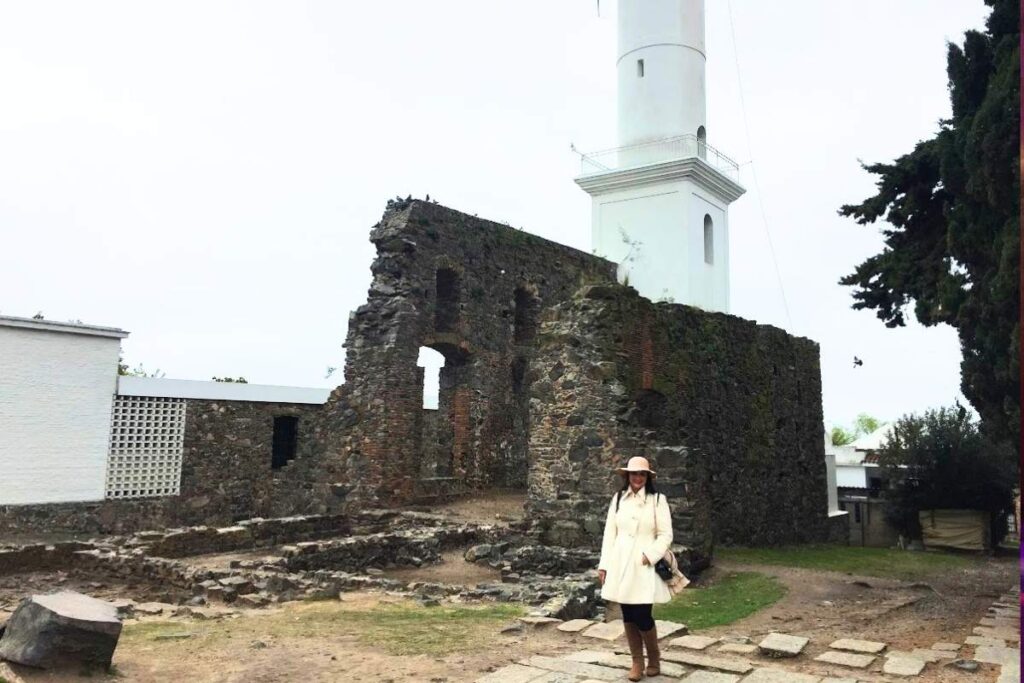
The Buquebus fast ferry from Buenos Aires to Colonia del Sacramento takes about 1 hour and 15 minutes and drops you in one of the most beautiful colonial towns in South America. Colonia’s Barrio Histórico, a UNESCO World Heritage Site, is a compact grid of cobblestone streets, stone ruins, and pastel-colored Portuguese and Spanish colonial buildings that date to the 17th century.
The entire historic quarter is walkable in a few hours, and the sunset from the waterfront, looking back across the river toward Buenos Aires, is one of the best in the region.
Colonia works as a comfortable day trip. Leave Buenos Aires on an early morning ferry, spend the day walking and eating, and return on an evening sailing. The round trip, including the ferry and a leisurely lunch, fits neatly into a single day.
Montevideo (1 to 2 Days)
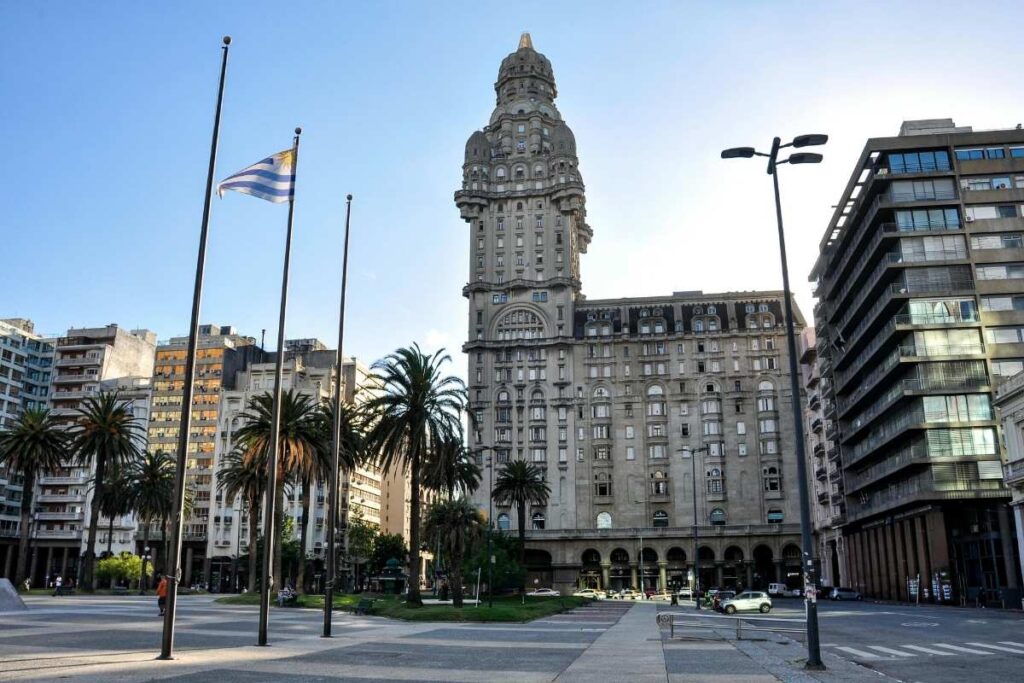
If you want to go deeper, crossing to Montevideo adds another dimension entirely. Uruguay’s capital is reachable by direct Buquebus ferry (about 2 hours 15 minutes) or by ferry to Colonia plus a 2.5-hour bus connection. Either way, one full day in Montevideo is enough to walk Ciudad Vieja, eat at the Mercado del Puerto, and cover a stretch of the Rambla, the city’s 22-kilometer waterfront promenade.
Two days lets you explore Palermo (yes, Montevideo has its own), the Parque Rodó, and the beach neighborhoods of Pocitos and Punta Carretas without rushing.
The rhythm of Montevideo is noticeably different from Buenos Aires. It’s quieter, slower, and more compact. The two cities complement each other perfectly, and visiting both gives you a perspective on the Río de la Plata region that neither one provides alone.
Suggested Structure for 6 Days

Days 1 to 4: Buenos Aires, following the neighborhood-by-neighborhood structure above. Day 5: Early ferry to Colonia del Sacramento. Full day exploring the Barrio Histórico. Evening ferry back to Buenos Aires, or continue by bus to Montevideo. Day 6: Full day in Montevideo (Ciudad Vieja, Mercado del Puerto, Rambla). Evening ferry back to Buenos Aires.
This structure keeps Buenos Aires as your base and treats the Uruguayan crossings as extensions rather than disruptions. You can also flip the order, doing Colonia and Montevideo first and finishing with Buenos Aires, if your flights align better that way.
7+ Days

With a full week or more, the options expand further. A day trip to a gaucho estancia in the Buenos Aires province gives you a taste of rural Argentine life, with horseback riding, asado, and folk music. A domestic flight to Mendoza (under 2 hours) opens up wine country. And within the city itself, a seventh day means you can attend a Boca Juniors or River Plate match, take a cooking class, or simply return to the neighborhoods and restaurants that called you back.
The Bottom Line
Two days gives you a taste. Four days gives you the city. Six days gives you the city plus the Río de la Plata. And anything beyond that gives you the version of Buenos Aires that only reveals itself when you stop counting the days and start living in the city’s rhythm.
Most travelers I work with land on four days and wish they had booked six. If you have the flexibility, give yourself the extra time. Buenos Aires doesn’t punish you for staying longer. It rewards you.