
Two. That’s the honest answer, and I’d rather give it to you straight than inflate a 48-hour city into a week-long itinerary it doesn’t need to be. Montevideo is a beautiful, walkable, underrated capital with excellent food, a world-class waterfront, and a cultural identity that feels entirely its own. But it’s also compact, and two full days is enough to see Ciudad Vieja, eat at the Mercado del Puerto, walk a serious stretch of the Rambla, and still have time to sit in a café with a mate and absorb the rhythm of the place.
That said, the question of how long to stay in Montevideo depends on what you’re building around it. If Montevideo is a day trip from Buenos Aires or a cruise port stop, one focused day works. If it’s a standalone destination, two days covers the city comfortably. And if you have three or more days, the real value isn’t in spending the extra time in Montevideo itself. It’s in using the city as a base to visit Colonia del Sacramento, explore the Uruguayan coast, or build a combined itinerary that links both sides of the Río de la Plata.
1 Day: The Day Trip or Cruise Stop
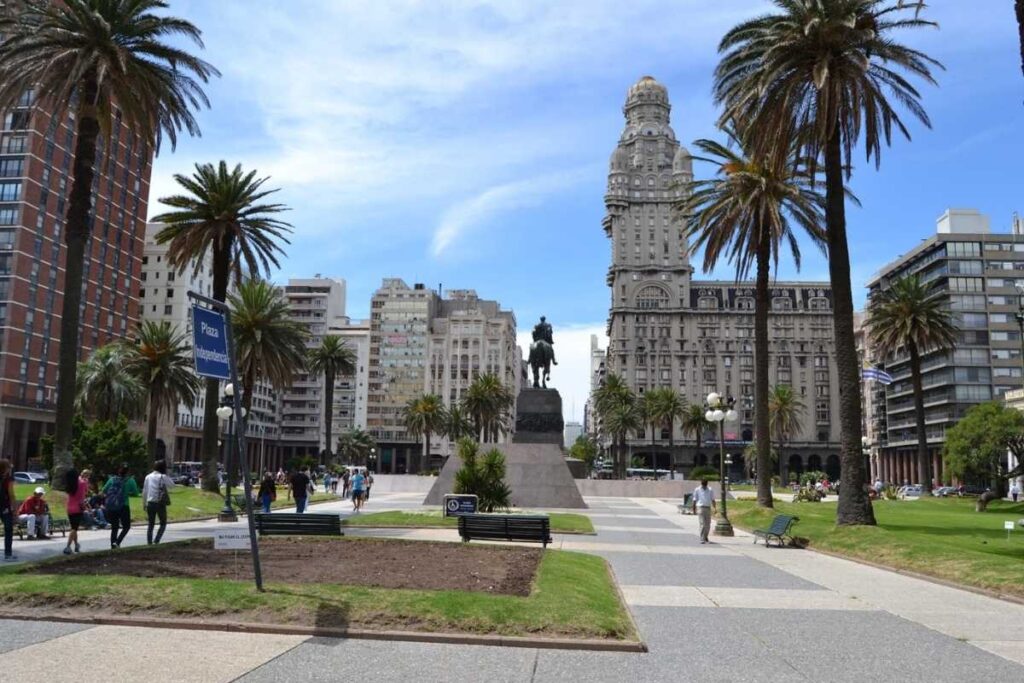
One day is the reality for a large number of visitors. Cruise passengers typically dock between 7:00 and 9:00 AM and need to reboard by late afternoon. Ferry day-trippers from Buenos Aires arrive around 10:00 AM and catch an evening sailing back. In both cases, you have roughly six to eight hours, and the good news is that Montevideo’s best content sits within walking distance of the port.
The structure is straightforward: Ciudad Vieja in the morning (start at Plaza Independencia, walk Calle Sarandí, visit the Teatro Solís and Plaza Zabala), lunch at the Mercado del Puerto (the parrillada with a glass of Tannat is non-negotiable), and the Rambla in the afternoon, walking southeast toward Parque Rodó or Pocitos before heading back.
For the complete route with walking distances and timing for both cruise and ferry arrivals, what to do in a single day covers the itinerary step by step.
One day won’t show you everything Montevideo has to offer, but it will show you its character. The cobblestone streets of the old town, the smoke rising from the Mercado’s grills, the absurdly wide Río de la Plata stretching to the horizon from the Rambla. You’ll leave knowing what the city feels like, which is more than most day trips deliver.
2 Days: The City, Properly
Two days is the sweet spot for Montevideo. It removes the pressure of the one-day sprint and lets you experience the city at the pace it was designed for, which is to say, slowly.
Day 1: Ciudad Vieja and the Mercado
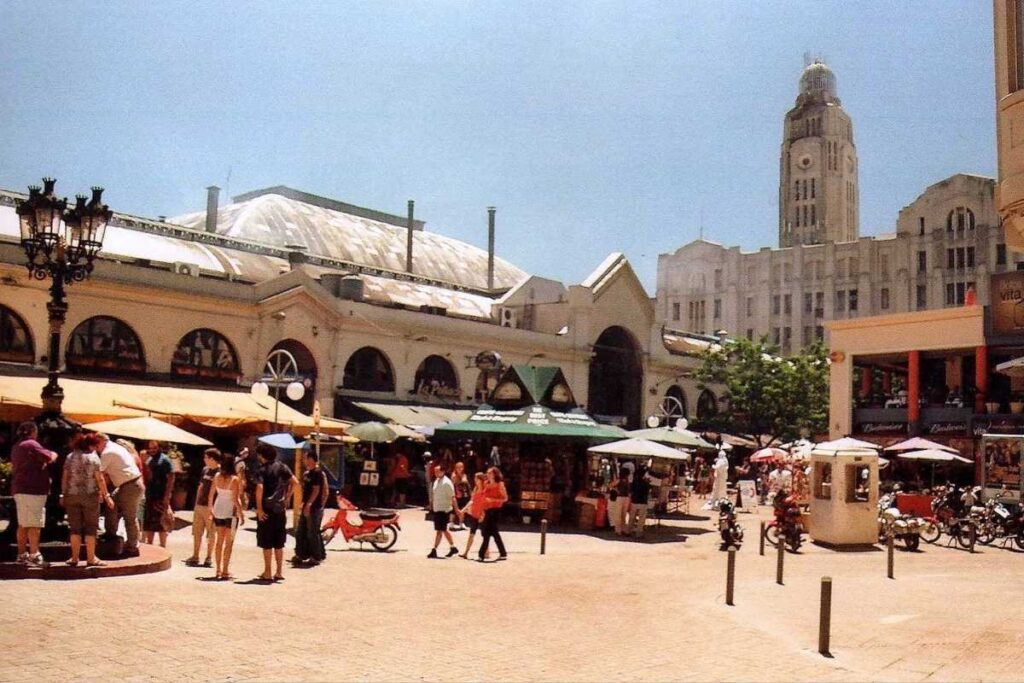
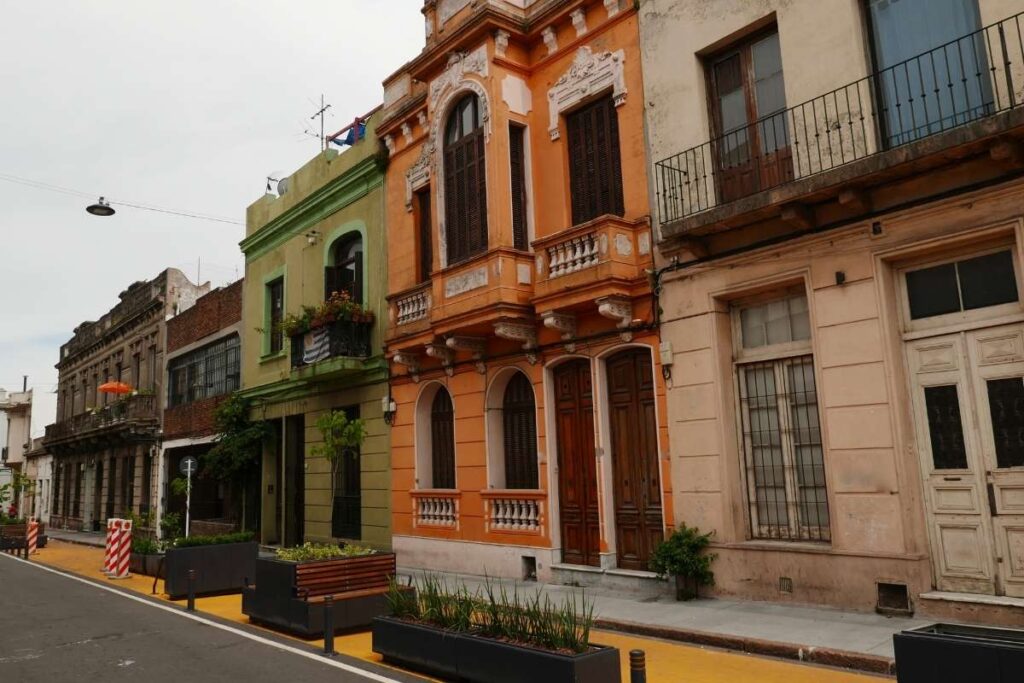
Spend your first day in the historic core. Ciudad Vieja is small enough to walk entirely in a morning, but interesting enough to deserve the full day when you factor in museum stops, coffee breaks, and the kind of aimless wandering that produces the best discoveries. The Museo Torres García, dedicated to Uruguay’s most important modern artist, is worth 40 minutes.
The Palacio Taranco on Plaza Zabala offers a free look inside a beautifully preserved Beaux-Arts mansion. And the streets between the plazas are lined with galleries, bookshops, and cafés that reward slow exploration.
Lunch at the Mercado del Puerto anchors the day. The afternoon is yours: walk the first section of the Rambla, return to the shops and wine bars around Calle Pérez Castellano, or visit the Museo del Carnaval, which traces the history of Montevideo’s Carnival, the longest in the world at over 40 days.
Day 2: The Rambla, Pocitos, and the Neighborhoods
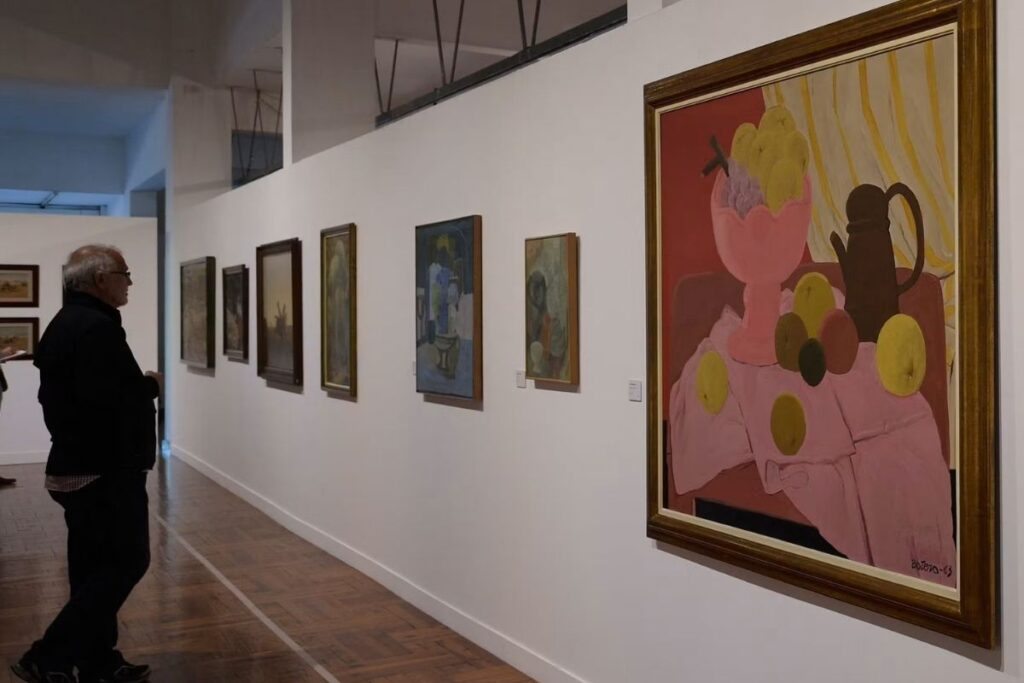
Your second day belongs to the Rambla and the neighborhoods it connects. Walk southeast from Ciudad Vieja through Barrio Sur and Parque Rodó (stop at the Museo Nacional de Artes Visuales, free entry, strong collection) and continue along Playa Ramírez into Pocitos, the most popular beach neighborhood. The full stretch from the port to Pocitos is about 7 kilometers and takes roughly 90 minutes at a comfortable pace.
Spend the afternoon in Pocitos or neighboring Punta Carretas. These residential neighborhoods have the city’s best concentration of restaurants, cafés, and boutiques outside Ciudad Vieja. The Punta Carretas Shopping, housed inside a converted 19th-century prison, is architecturally interesting even if you’re not shopping.
If you’re staying overnight, choosing the right Montevideo hotels makes a difference. Ciudad Vieja puts you inside the historic core and walking distance from the port. Pocitos gives you beach access, a residential atmosphere, and excellent restaurants. Both work well for a two-day visit, and the taxi or Uber between them is rarely more than 10 minutes.
Is Montevideo Worth Visiting for 2 Days?
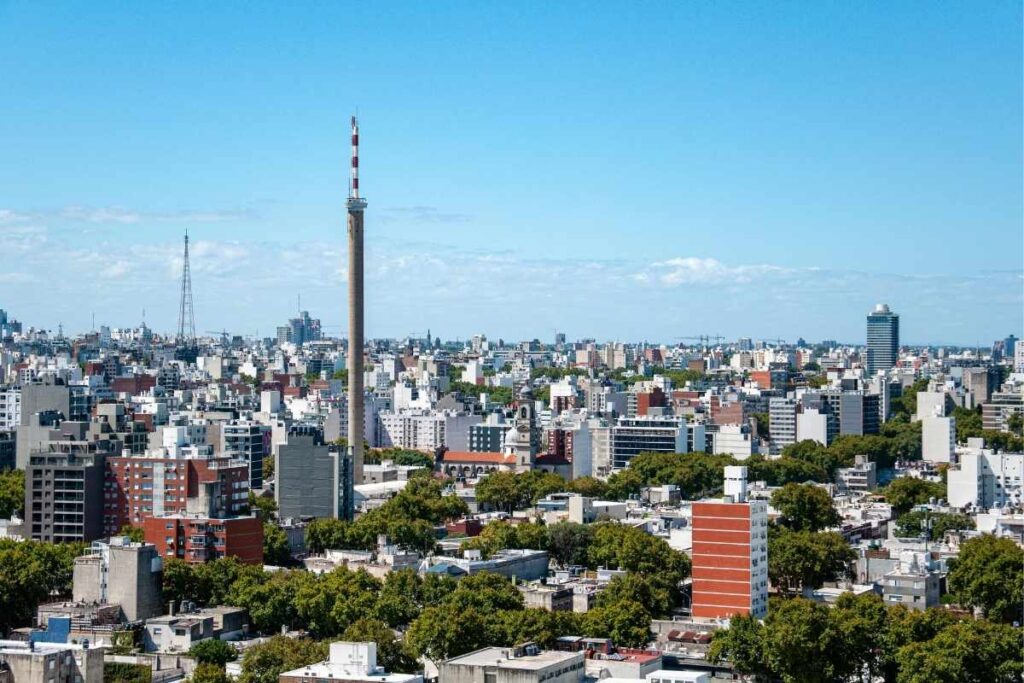
Absolutely. Two days gives you the full arc of the city: the colonial history, the food culture, the waterfront, and the neighborhoods where daily Uruguayan life plays out at its own unhurried tempo. You won’t feel like you missed anything major, and you’ll leave with a genuine sense of the place rather than a rushed impression.
What two days doesn’t give you is the region around Montevideo, and that’s where a third day starts to make sense.
3+ Days: Using Montevideo as a Base
The strongest argument for staying three or more days isn’t that Montevideo needs the extra time. It’s that the destinations within easy reach of the city are exceptional, and Montevideo is the most logical base for accessing them.
Colonia del Sacramento (Day Trip)
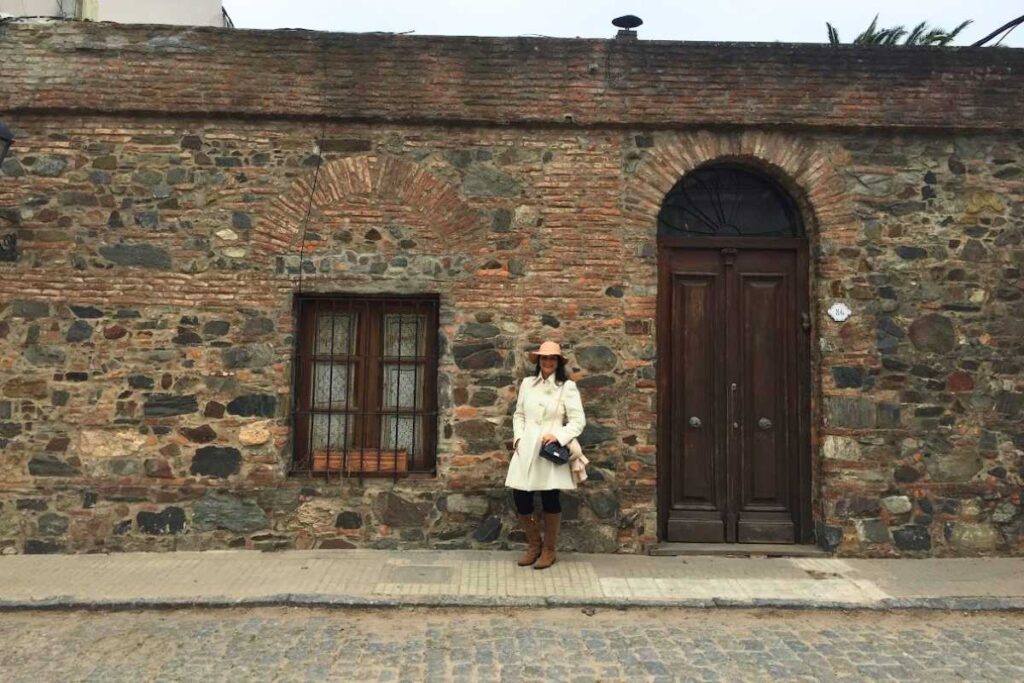
Colonia del Sacramento sits 180 kilometers west of Montevideo, and the bus ride takes about 2 hours and 30 minutes on a comfortable intercity coach from Tres Cruces Terminal. The town’s Barrio Histórico, a UNESCO World Heritage Site, is a compact grid of 17th-century Portuguese and Spanish colonial buildings, cobblestone streets, stone ruins, and a waterfront that looks across the Río de la Plata toward Buenos Aires.
Colonia is one of the most photogenic small towns in South America, and it works perfectly as a full-day excursion from Montevideo. Leave early, spend the day walking the historic quarter, have lunch at one of the restaurants along Calle de los Suspiros (the Street of Sighs), and return to Montevideo in the evening. For the complete route and what to prioritize, a day in Colonia del Sacramento covers everything.
Punta del Este (Day Trip or Overnight)
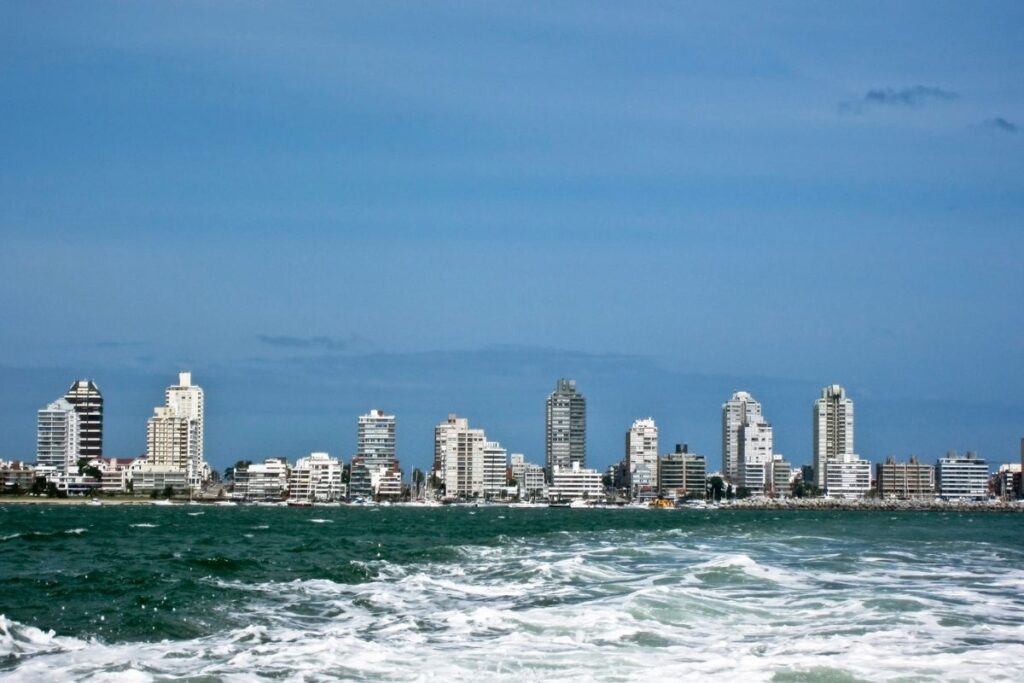
Punta del Este, roughly 130 kilometers east along the coast, is Uruguay’s most famous beach resort and a destination that operates on a completely different frequency than Montevideo. In summer (December to March), Punta del Este fills with wealthy Argentines, Brazilians, and Europeans, and the scene revolves around beaches, yacht clubs, high-end restaurants, and nightlife.
Outside of summer, it’s quieter but still worth visiting for the coastline, the Casapueblo museum and hotel (a whitewashed sculpture-building designed by artist Carlos Páez Vilaró that clings to a cliff above the sea), and the iconic La Mano sculpture emerging from the sand at Playa Brava.
The bus from Montevideo takes about 2 hours, and Punta del Este works as either a day trip or an overnight, depending on your pace and interest.
José Ignacio (If You Have Time)
About 30 minutes past Punta del Este, José Ignacio is a tiny fishing village that has become one of the most exclusive destinations in South America. The restaurant Francis Mallmann’s Garzón (actually in the nearby village of Garzón) and the beach restaurants of José Ignacio itself offer some of the finest open-fire cooking in the world. This is a detour for food lovers and travelers who want to see where Uruguay’s rural beauty meets its culinary ambition.
Suggested Structure for 3 to 4 Days
Days 1 and 2: Montevideo (Ciudad Vieja, Mercado del Puerto, Rambla, Pocitos). Day 3: Day trip to Colonia del Sacramento. Day 4 (if available): Day trip to Punta del Este and Casapueblo, or a slower day back in Montevideo revisiting your favorite spots.
Combining Montevideo with Buenos Aires
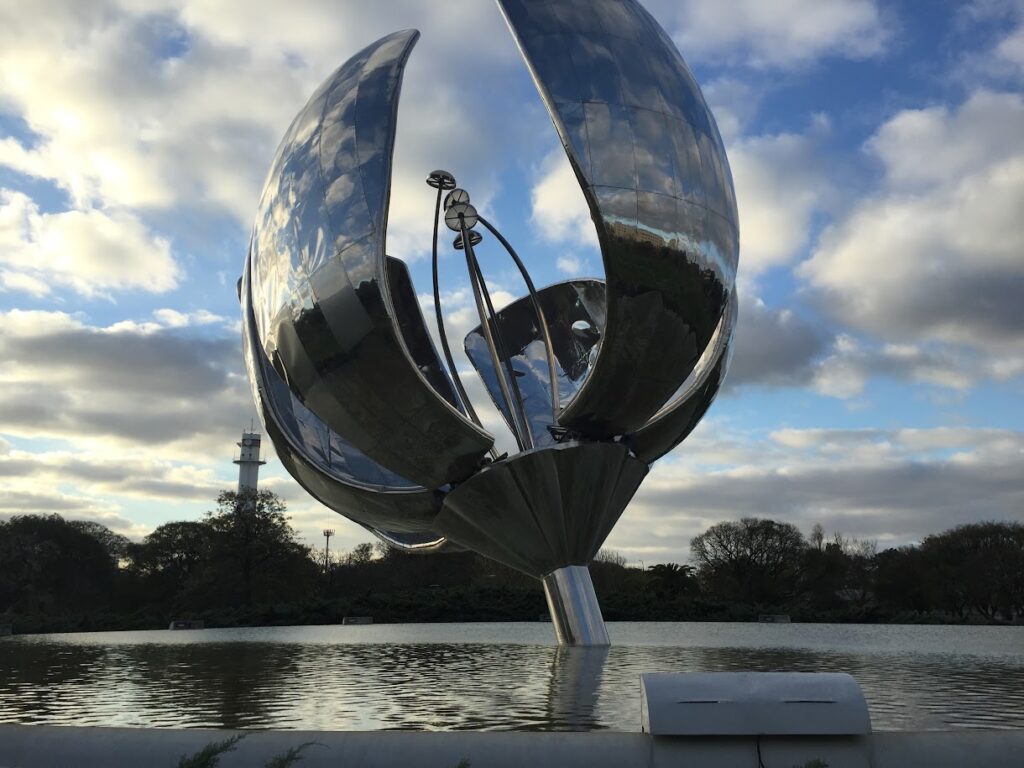
For travelers covering both sides of the Río de la Plata, the most common structure is to spend four days in Buenos Aires and two to three days in Montevideo, with the Buquebus ferry connecting the two. The crossing takes about 2 hours and 15 minutes, and the departure terminals in both cities sit right on the waterfront, making the logistics seamless.
This combination works exceptionally well because the two cities complement rather than repeat each other. Buenos Aires is larger, louder, and more intense. Montevideo is smaller, quieter, and more coastal. Seeing both gives you a perspective on the region that neither city provides alone. For details on how to structure the crossing, combining it with Buenos Aires covers routes, ferries, and timing.
The Bottom Line
Montevideo doesn’t need a week. It needs two good days and the honesty to admit that its greatest strength might be how well it connects to everything around it. Give the city the time it deserves, use it as a launchpad for Colonia del Sacramento or the coast, and you’ll leave understanding something that most South American capitals don’t offer: a place that knows exactly what it is and doesn’t pretend to be anything else.