
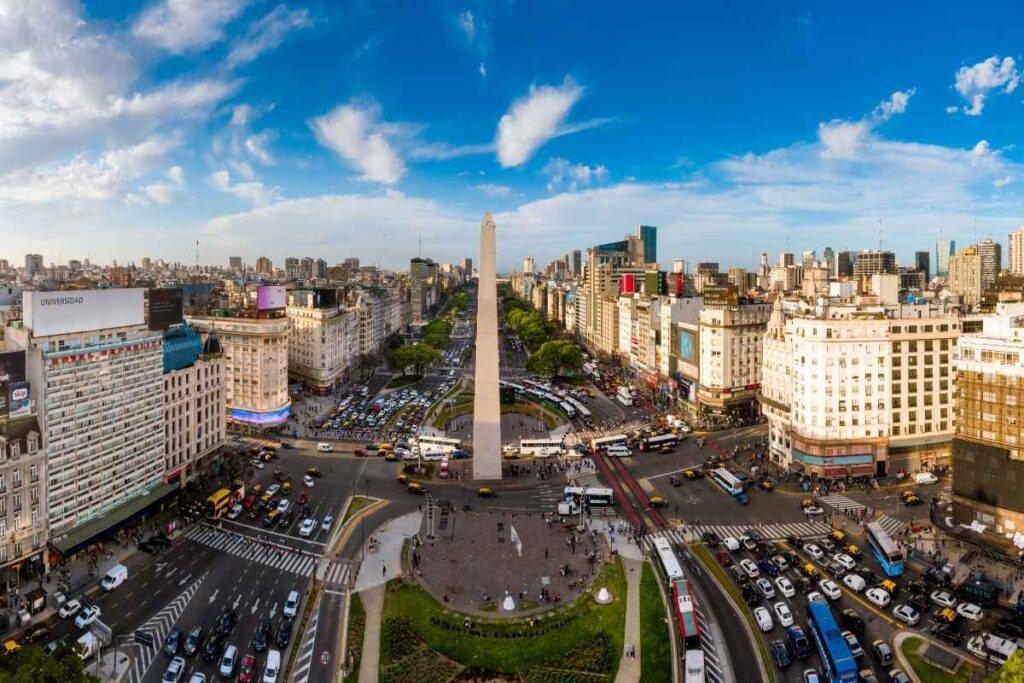
The first thing most travelers want to know about Buenos Aires travel cost is whether the city is still cheap. The honest answer in 2026: it’s affordable, but it’s no longer the bargain it was in 2022 and 2023. The gap between the official and parallel exchange rates that once gave dollar-holding visitors a 100% purchasing power bonus has narrowed dramatically. Buenos Aires today sits in the mid-range for South American capitals, more affordable than Santiago or São Paulo, roughly comparable to Bogotá, and still significantly cheaper than any major European city offering a similar level of culture, architecture, and food.
Exchange rates and prices last verified: September 2026. Argentina’s currency situation changes frequently. Check the current USD/ARS rate before your trip.
What follows is a line-by-line cost breakdown using real numbers observed in the city between July and September 2026, organized into three daily budget profiles. The figures are in US dollars and use the MEP exchange rate (approximately 1,520 ARS per USD as of September 2026), which is the rate applied to international credit card transactions and the most relevant reference for foreign visitors.
The Exchange Rate: What You Actually Need to Know
Argentina’s exchange rate system has confused travelers for years, and most budget guides either oversimplify it or publish numbers that are outdated within weeks. Here’s the current reality as of late 2026.
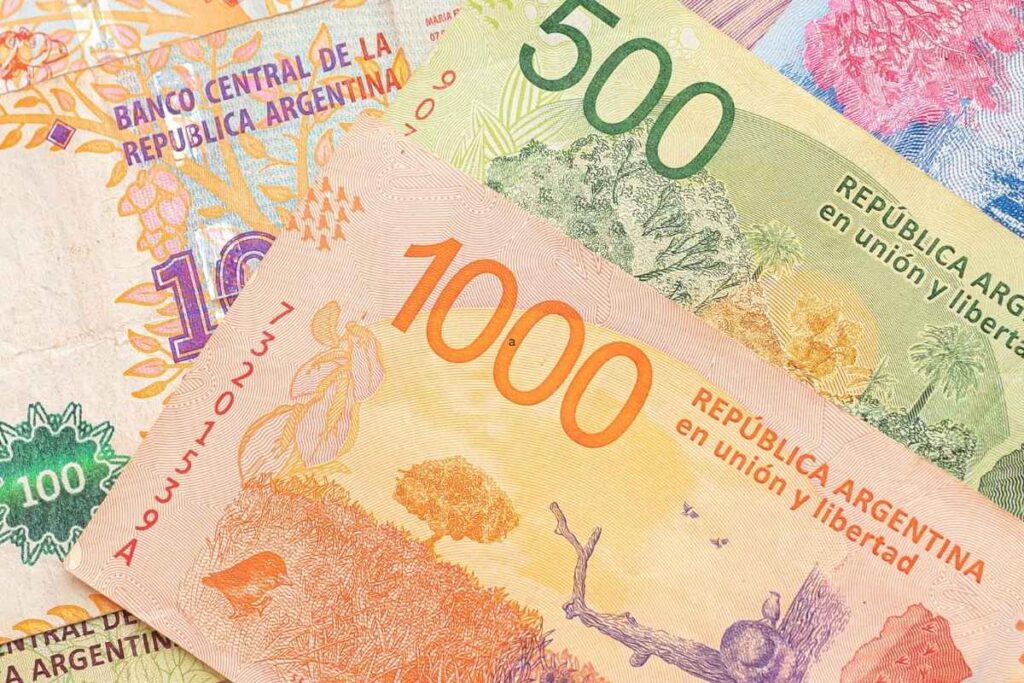
The official rate (Banco Nación) is approximately 1,515 ARS per USD. This is the rate you see on Google and in most currency converter apps.
The MEP rate is approximately 1,521 ARS per USD. This is the rate applied when you pay with a foreign Visa or Mastercard in Argentina. It tracks very close to the official rate and is effectively what you get when you use your card.
The blue dollar (dólar blue), the informal parallel rate that once made Buenos Aires absurdly cheap for foreign visitors, has largely converged with the official rate. The spread as of September 2026 is roughly 2 to 5 percent, down from the 100%+ gap seen in 2022 and 2023. Carrying large amounts of USD cash to exchange on the blue market is no longer the essential strategy it once was. The risk of carrying cash now outweighs the marginal savings.
The practical takeaway: in 2026, paying with a credit or debit card is the simplest and most efficient approach. The rate you receive is competitive, the process is seamless, and card acceptance across Buenos Aires is excellent. Contactless payments (Visa, Mastercard, Apple Pay, Google Pay) work in most restaurants, shops, and even some taxis.
Carry USD 200 to 300 in cash for markets, kioscos, small vendors, and the occasional restaurant that offers a cash discount. Bring clean, undamaged USD 100 bills if possible, as smaller denominations and worn notes receive worse rates at exchange houses. The licensed casas de cambio (exchange offices) along Calle Florida and in major commercial areas offer rates close to the blue dollar and are the safest option for cash exchange. Avoid street changers who approach you with whispered offers of “cambio, cambio.”
Budget Profile 1: The Careful Traveler ($40 to $60 per day)
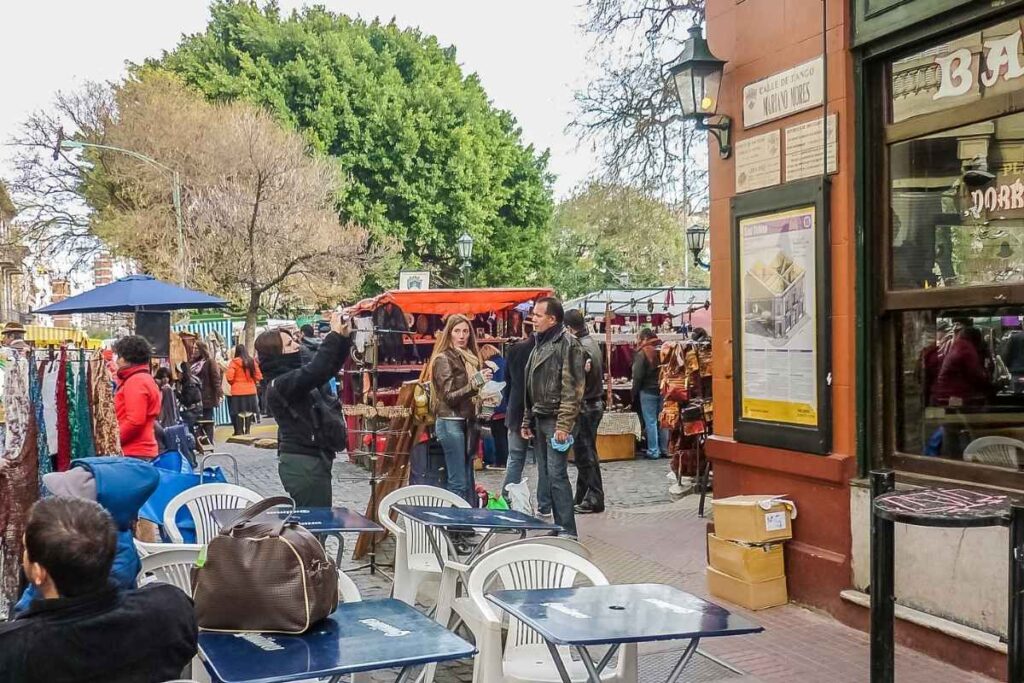
This profile covers backpackers, solo budget travelers, and anyone willing to prioritize experience over comfort.
Accommodation: $10 to $20/night. Hostel dorm beds in San Telmo and Palermo run between $10 and $18 per night, with clean, social hostels available in both neighborhoods. Private rooms at budget guesthouses start around $25 to $35, which pushes this line higher but keeps you in the budget range.
Food: $15 to $25/day. A café breakfast (café con leche and two medialunas) costs $2 to $3. Lunch at a local comedor or casual restaurant runs $5 to $8 for a set menu. A dozen empanadas from a dedicated empanada shop costs $5 to $7 and feeds two people. Dinner at a neighborhood parrilla, including a glass of Malbec, comes in at $8 to $12. Cooking at the hostel using supermarket ingredients cuts this line in half.
Transport: $2 to $4/day. The Subte (subway) costs approximately $0.35 per ride with a SUBE card. Buses are similar. If you stick to public transport and walking, getting around the city costs almost nothing. Budget for one Uber ride per day as a backup.
Activities: $5 to $10/day. Many of Buenos Aires’ best experiences are free: walking San Telmo, the Feria de San Telmo on Sundays, Recoleta Cemetery (free), the Museo Nacional de Bellas Artes (free), and the Bosques de Palermo. Budget activities like the Teatro Colón guided tour ($8 to $12) and a milonga entrance ($5 to $8) fit within this range.
Daily total: $40 to $60 per person.
Budget Profile 2: The Comfortable Independent Traveler ($80 to $130 per day)
This is the most common profile for international visitors staying four to six days.
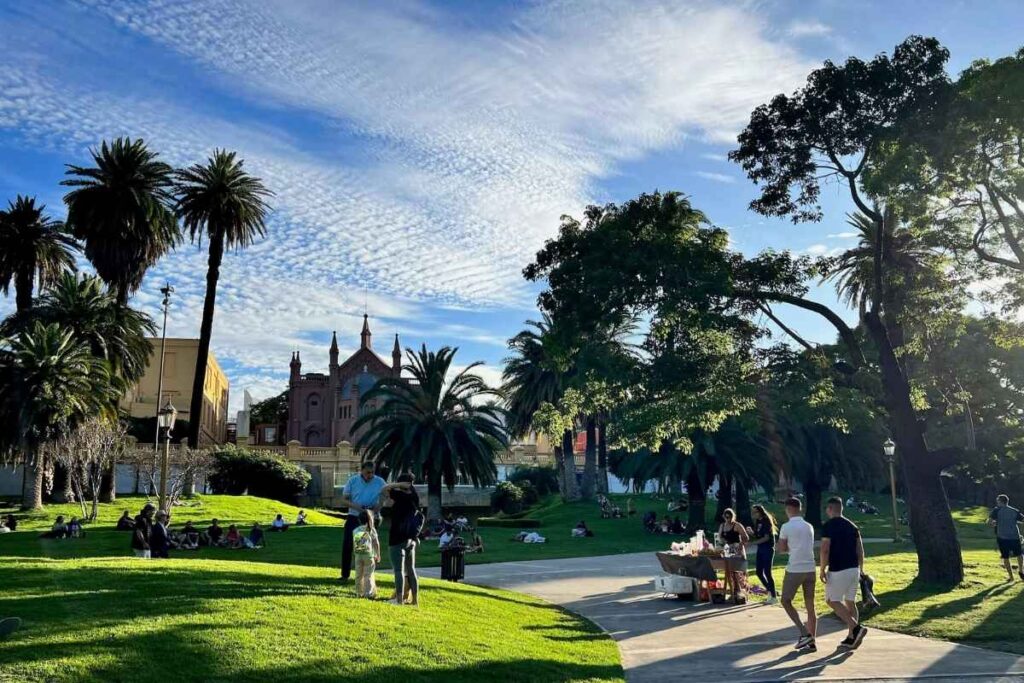
Accommodation: $50 to $90/night. A well-located boutique hotel or high-end Airbnb in Palermo Soho, San Telmo, or Recoleta runs $50 to $90 per night for a double room. This range gets you a private bathroom, breakfast included in many cases, and a location that keeps taxi costs low. For curated options by neighborhood, Buenos Aires hotels covers the best properties at this price point.
Food: $25 to $40/day. Breakfast at the hotel or a neighborhood café ($3 to $5). Lunch at a sit-down restaurant ($8 to $12), which in Buenos Aires means a proper plato del día with a drink. Dinner at a quality parrilla or contemporary restaurant with wine ($15 to $25 per person). A full asado experience at a well-regarded parrilla in San Telmo or Palermo, including tira de asado, entraña, provoleta, a bottle of Malbec, and dessert, typically runs $20 to $30 per person. This budget lets you eat well at every meal without restricting yourself to the cheapest options, and Buenos Aires rewards this spending level better than almost any capital in the world.
Transport: $5 to $10/day. A mix of Subte rides, walking, and two to three Uber trips per day. A typical Uber ride between neighborhoods (San Telmo to Palermo, for example) costs $3 to $6.
Activities: $10 to $25/day. This range covers a guided tour every other day, a tango show ($40 to $80 for a quality production, amortized over multiple days), museum entries, and one or two special experiences like a cooking class or a football match. The Teatro Colón evening performance tickets range from $10 to $50 depending on seating.
Daily total: $80 to $130 per person.
Budget Profile 3: The Comfort Seeker ($150 to $250 per day)
This profile is for travelers who want the best Buenos Aires has to offer without watching every peso.
Accommodation: $120 to $250/night. A four-star boutique hotel in Palermo, a design hotel in San Telmo, or a classic property in Recoleta like the Alvear Art Hotel or Mine Hotel. At this level, you’re getting exceptional rooms, daily breakfast, and locations that define the neighborhood.
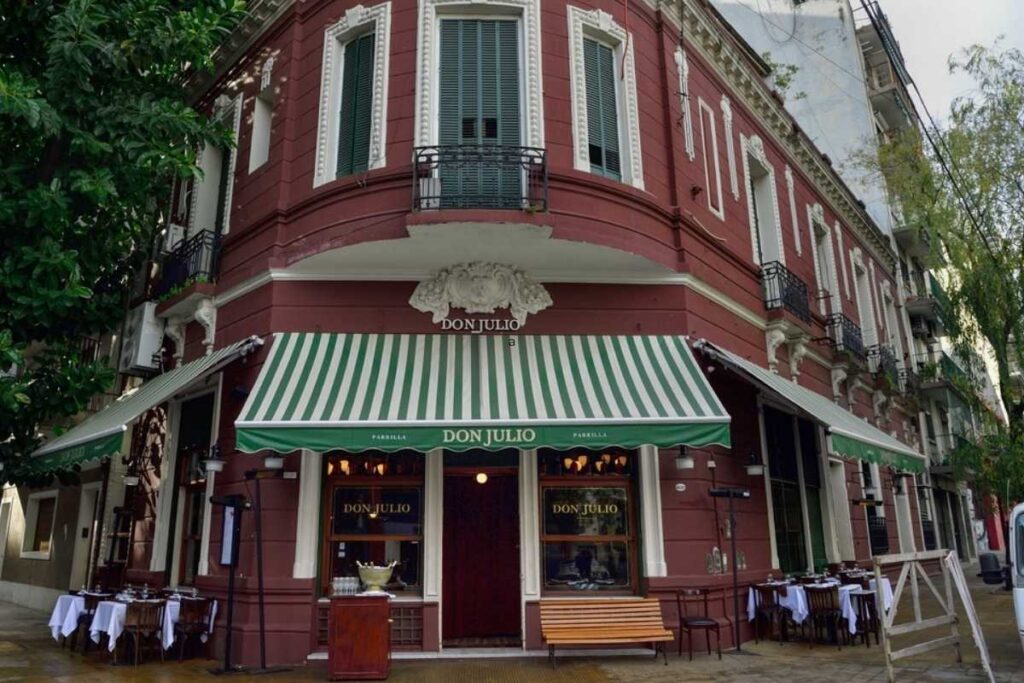
Food: $40 to $60/day. Breakfast at the hotel. Lunch at a recommended restaurant ($12 to $18). Dinner at a top-tier parrilla or chef-driven restaurant with a proper wine pairing ($30 to $50). At this level, you can eat at places like Don Julio in Palermo (expect a wait or a reservation well in advance), El Desnivel in San Telmo for a classic parrilla experience, or newer restaurants in Villa Crespo and Chacarita where young Argentine chefs are pushing the cuisine forward.
Buenos Aires punches well above its weight at this price point: a meal that would cost $80 to $120 in New York or London comes in under $50 here.
Transport: $10 to $15/day. Primarily Uber and taxis, with occasional Subte rides when it’s faster. A taxi from the hotel to a tango show and back runs $8 to $12 total.
Activities: $30 to $50/day. Private guided tours, skip-the-line museum access, a premium tango show with dinner, a day trip to Tigre or an estancia, and a cooking class or wine tasting. At this budget, you can do one significant paid experience every day.
Daily total: $150 to $250 per person.
Flights
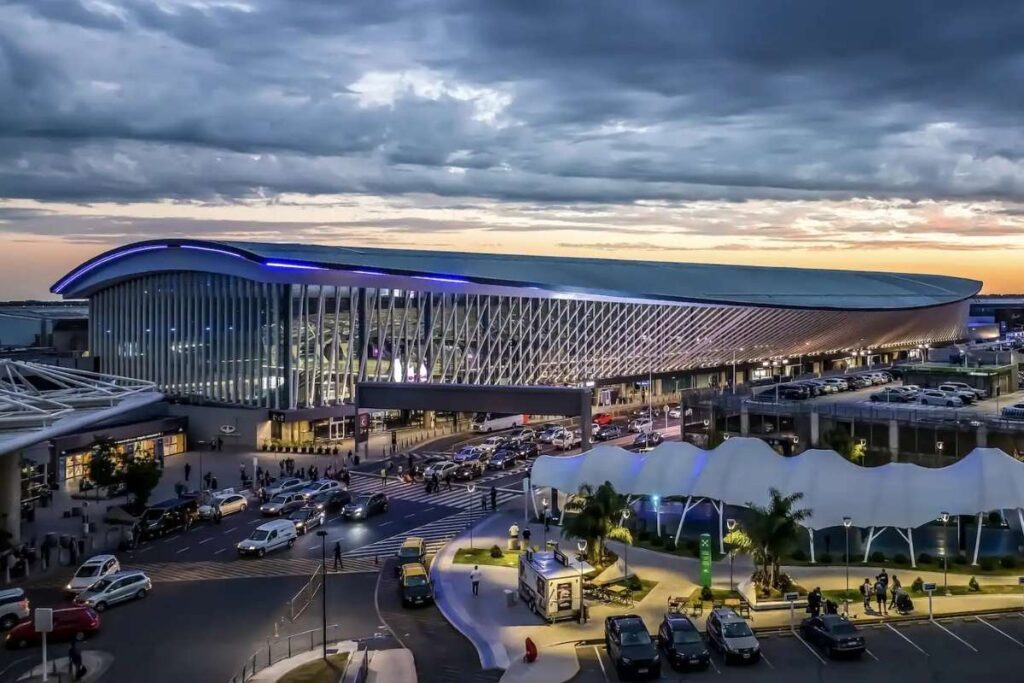
Round-trip flights to Buenos Aires from major US cities (New York, Miami, Houston) typically range from $600 to $1,200 in economy depending on the season and how far in advance you book. From Europe, fares run $700 to $1,500. From within South America, regional airlines like Aerolíneas Argentinas, LATAM, and Gol offer fares from $150 to $500 round trip.
July and August (Argentine winter) and March to May (autumn) tend to offer the lowest fares. December through February is peak season and prices reflect it.
What the Numbers Don’t Show
A few costs that catch visitors off guard:
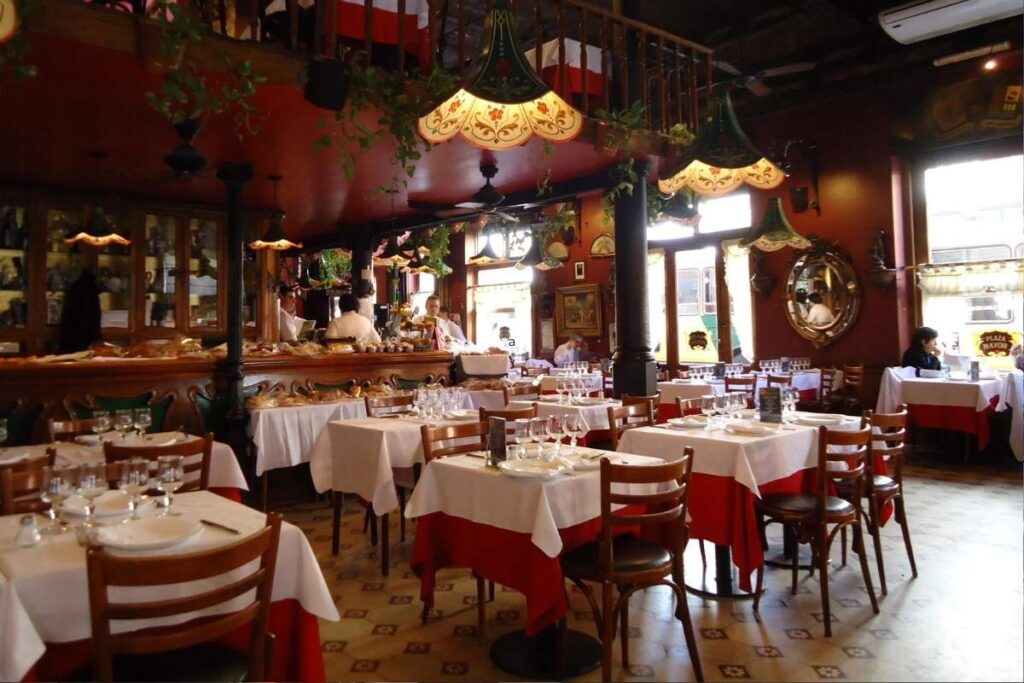
Cubierto. Most sit-down restaurants charge a cubierto (cover charge) of approximately $0.50 to $1.50 per person. It covers bread, water, and table service, and it’s not optional. It will appear on your bill as a separate line item, and it is a standard part of dining culture in Argentina, not a tourist surcharge.
Propina (tipping). Tips of 10% are standard in restaurants and expected when paying in cash. When paying by card, some restaurants add a tip field; others don’t, in which case leaving cash on the table is the norm. In cafés, rounding up is sufficient. For guided tours, $5 to $10 per person is appropriate for a good experience.
SIM card and data. A local SIM with a week of data costs approximately $3 to $5 from any kiosko. This is worth the investment for maps, Uber, translation apps, and restaurant searches. Most international roaming plans also work, but check with your carrier before relying on it.
ATM fees. If you do withdraw cash from an ATM, expect fees of $5 to $10 per transaction and a withdrawal cap of approximately ARS 30,000 to 60,000 (roughly $20 to $40). The low cap means multiple withdrawals to access meaningful amounts, each with its own fee. Use ATMs inside banks for security, and treat them as a backup rather than your primary cash strategy.
Tourist tax. Some hotels charge a small nightly city tax of $1 to $3 per room that may not appear in the booking price. It’s minor but worth knowing about.
The Bottom Line
Buenos Aires in 2026 is no longer the “everything for nothing” destination it was during the peak blue dollar era. But it remains one of the most rewarding cities in the world for the money. A four-day trip at the mid-range level ($80 to $130/day) costs roughly $400 to $600 per person before flights, and delivers world-class steak, Malbec, tango, architecture, and cultural experiences at prices that most European or North American cities simply cannot match.
The exchange rate situation has stabilized, which means you can stop worrying about where to change money and start focusing on where to eat, what to see, and how to spend your time. For a day-by-day structure that maximizes the days without overspending on transport, a 4-day plan keeps you in the neighborhoods rather than in the back of a taxi.
Bring a card, bring some cash, and bring an appetite. Buenos Aires will handle the rest.