
The question exists for a reason. Montevideo sits across the Río de la Plata from Buenos Aires, one of the most charismatic cities in the Americas, and the comparison is inevitable. People look at the two capitals, see that one has 3 million residents, world-famous steak, tango, a legendary nightlife scene, and a cultural intensity that hits you the moment you step outside, and then look at the other and wonder what it actually offers. Montevideo doesn’t have the Colosseum. It doesn’t have the Eiffel Tower. It doesn’t even have the kind of single iconic landmark that makes a city instantly recognizable on a postcard.
So, is Montevideo worth visiting?
Yes, but not for everyone, and not for every kind of trip. That’s the honest answer, and the rest of this article is about figuring out whether it’s the right city for you.
What Montevideo Actually Is
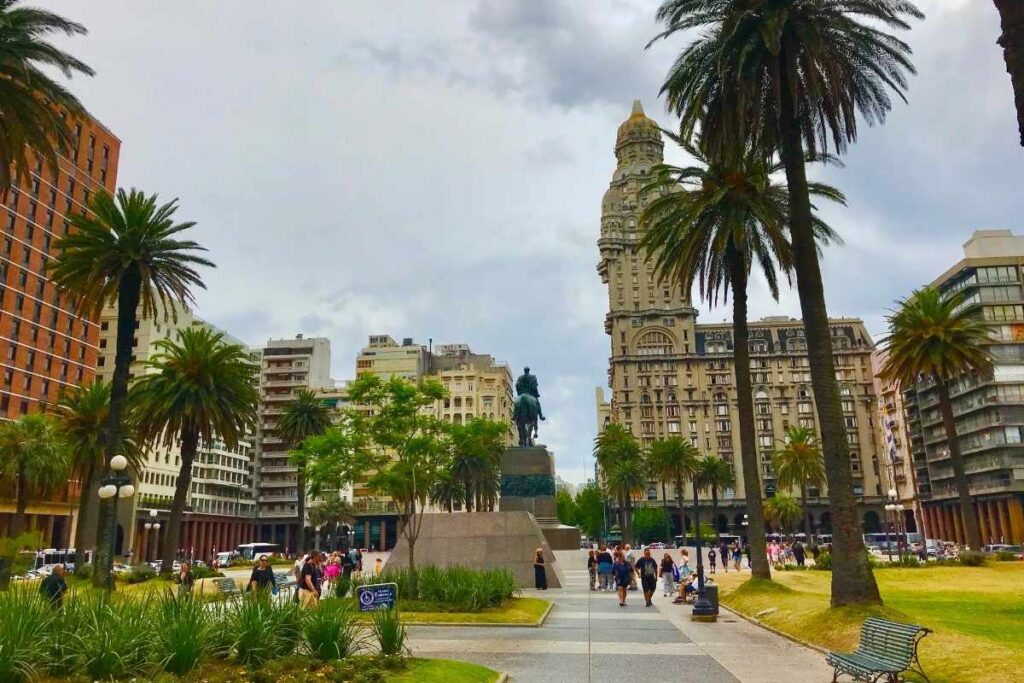
Montevideo is a coastal capital of 1.8 million people at the mouth of the widest river in the world. It’s the political, economic, and cultural center of Uruguay, a country that consistently ranks as the most stable democracy in South America, with progressive social policies, low corruption, and a quality of life that doesn’t make international headlines because nothing dramatic happens. That quiet stability is exactly what defines the city’s character.
The architecture is a patchwork of Art Deco, colonial, neoclassical, and mid-century modern, often on the same block, sometimes in the same building. The food is built on beef, seafood, and Italian immigrant traditions, with a parrilla culture that rivals Buenos Aires in quality if not in fame. The café culture runs on mate rather than espresso, which means you’ll see thermoses and gourds on every park bench, every bus seat, and every office desk. And the Rambla, the 22-kilometer waterfront promenade, gives the entire city a relationship with the water that most capitals only dream about.
Montevideo is not loud. It’s not flashy. It’s not trying to impress you. And that’s the thing you either love or don’t.
Who Montevideo Is Perfect For
Travelers who’ve already seen the loud capitals. If you’ve done Buenos Aires, Rio, Lima, and Bogotá, and you’re looking for a South American city that operates at a different frequency, Montevideo is exactly that.
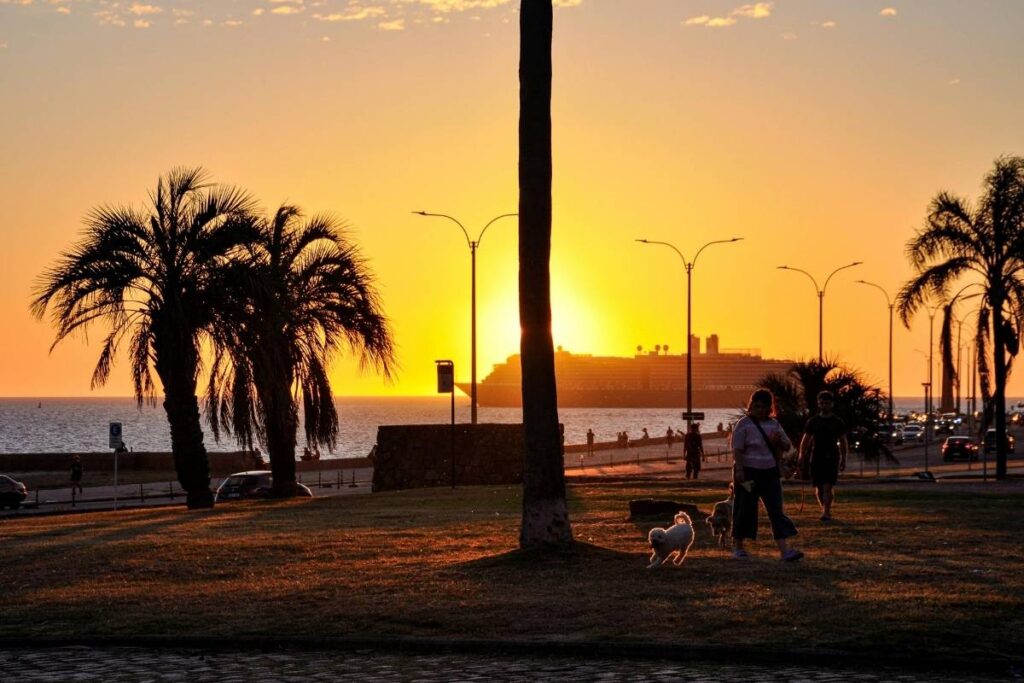
The pace is slower, the streets are quieter, and the experience is less about spectacle and more about texture. You notice things here that you’d miss in a busier city: the light on the water at 6:00 PM, the way a bartender prepares a medio y medio without being asked, the sound of cumbia drifting from a Barrio Sur window on a Saturday afternoon.
Couples looking for something low-key. Montevideo doesn’t have the Instagram-ready backdrops of Santorini or the romantic mythology of Paris, but it has something those places often lack: space. You can walk the Rambla for an hour without seeing another tourist. You can have dinner at a restaurant in Pocitos where the waiter remembers your order from the night before. The romance here is in the absence of pressure.
Food-focused travelers. The Mercado del Puerto alone justifies a visit: a 19th-century iron market hall filled with open-fire parrillas, fresh seafood, and Tannat wine by the glass. But the food scene extends well beyond the Mercado. Ciudad Vieja is developing a new wave of restaurants that blend Uruguayan ingredients with contemporary technique. Pocitos and Punta Carretas have excellent neighborhood restaurants that cater to locals rather than tourists. And the asado culture, while less internationally known than Argentina’s, is just as serious and arguably more personal.
People crossing from Buenos Aires. If you’re already in Buenos Aires with a day or two to spare, adding Montevideo transforms a city trip into a regional experience. The Buquebus fast ferry takes roughly 2 hours and 15 minutes, and the two cities complement each other in ways that neither provides alone. Buenos Aires gives you the intensity. Montevideo gives you the exhale.
Digital nomads and slow travelers. Uruguay has excellent internet infrastructure, a favorable time zone for working with North American and European teams, safe tap water, and a cost of living that, while higher than Argentina’s, is predictable and transparent. Montevideo is the kind of city where staying for two weeks starts to feel like a reasonable idea.
Who Montevideo Is Not For

Travelers who want nonstop energy. If your ideal city trip involves packed itineraries, must-see landmarks back to back, and a nightlife scene that starts at midnight, Montevideo will feel underpowered. The city’s cultural offerings are real but spread out, and the evening scene is more about long dinners and quiet bars than about clubs and events. If you need the volume turned up, Buenos Aires is right across the river.
First-time South America visitors with limited time. If you have 10 days for your first trip to South America and you’re choosing between Montevideo and other capitals, the honest recommendation is to go where the density of experiences is highest. Buenos Aires, Lima, or Medellín will give a first-timer more to work with per day. Montevideo rewards travelers who already know what they like and are looking for a specific kind of experience rather than a general introduction to the continent.
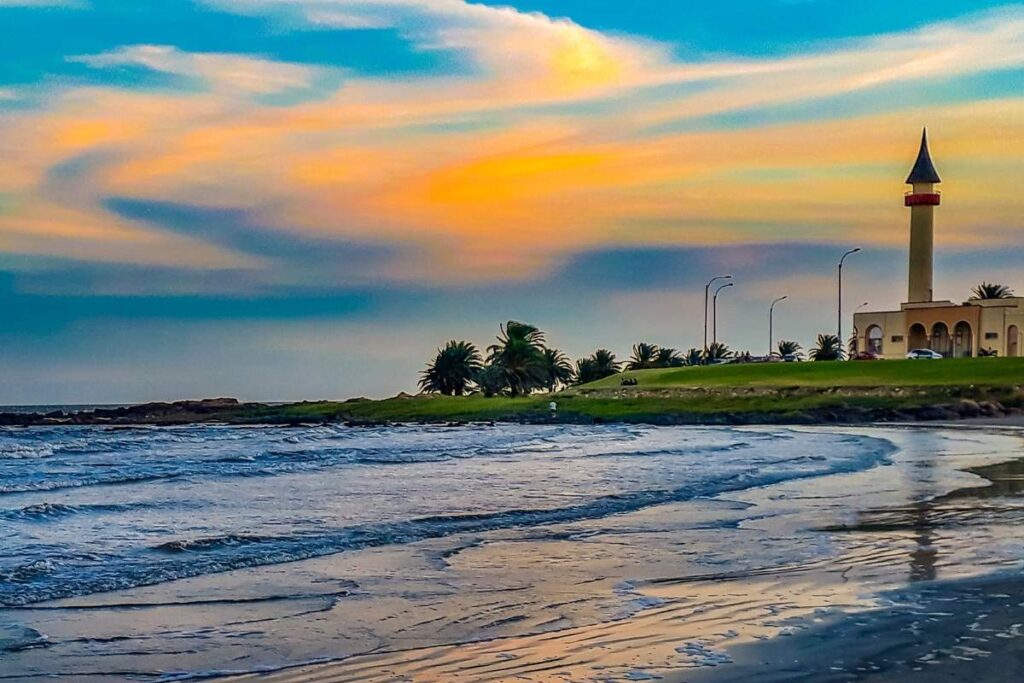
People who need beaches. Montevideo has beaches, and locals use them heavily in summer, but they’re river beaches on the Río de la Plata, not Caribbean coastline. The water is brown, the sand is adequate, and the experience is more about the promenade than the swimming. If beaches are the priority, Punta del Este, José Ignacio, or the coast east of Rocha deliver what Montevideo’s shoreline doesn’t.
What the City Actually Offers
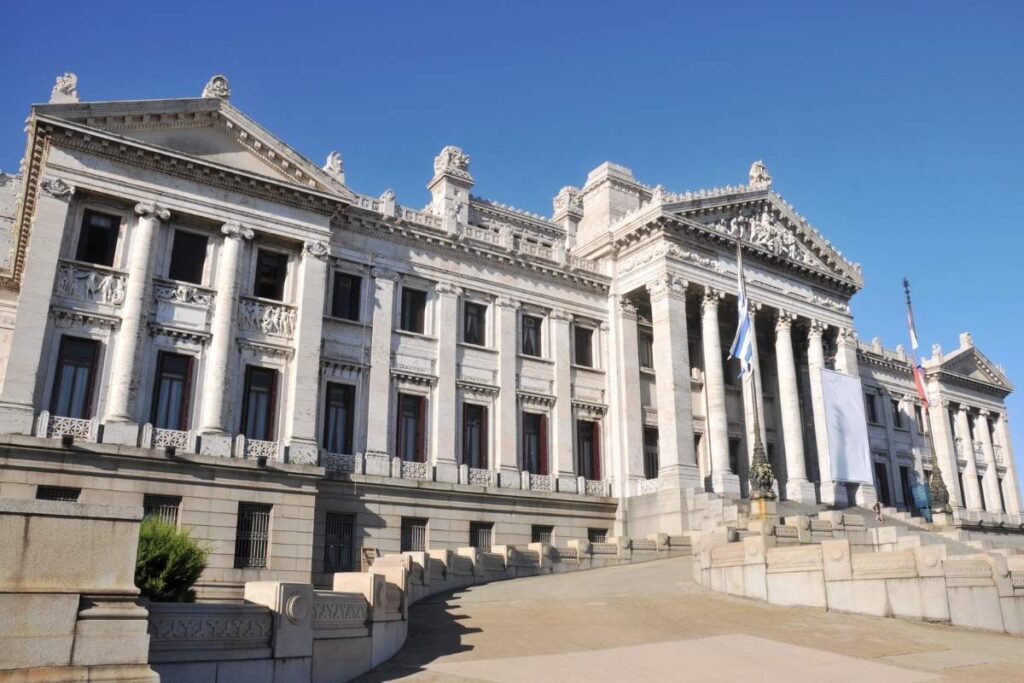
The things to do in Montevideo fill two solid days without repeating yourself. Ciudad Vieja has enough colonial architecture, museums (Museo Torres García, Museo del Carnaval, Palacio Taranco), markets, and café life to occupy a full morning and afternoon. The Mercado del Puerto is one of the best food experiences in the region. The Rambla offers one of the finest urban walks in South America.
Parque Rodó is a green, shaded break from the city. And the Carnival, which runs for over 40 days in February and March, features murga performances, a uniquely Uruguayan art form combining satirical theater with percussion and choral singing, that have no equivalent anywhere else.
The cultural layer is deeper than it appears at first glance. Montevideo’s identity is built on tango (the genre was born on both sides of the Río de la Plata, and Montevideo claims it with as much legitimacy as Buenos Aires), candombe (an Afro-Uruguayan drumming tradition that fills the streets of Barrio Sur every week), and a literary and artistic heritage that includes Eduardo Galeano, Mario Benedetti, and Joaquín Torres García. You just have to know where to look, or be willing to stumble into it, which the city’s walkable scale makes surprisingly easy.
The Duration Question
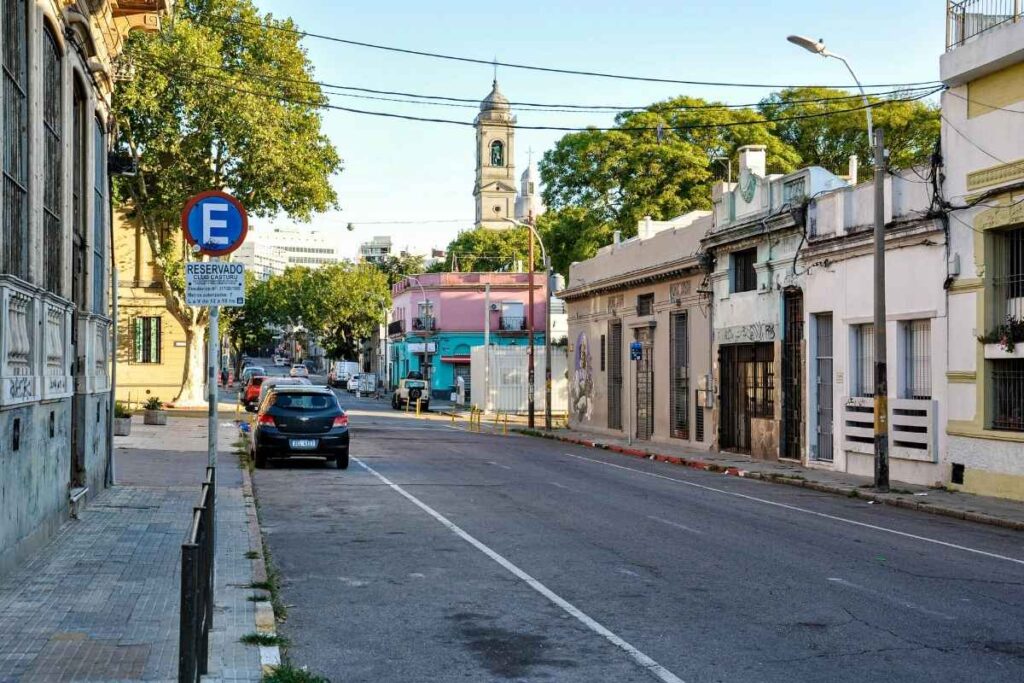
One of the reasons people ask whether Montevideo is worth visiting is that they’re not sure how much time to give it. The answer depends on how you’re arriving. If it’s a day trip from Buenos Aires, a one-day plan that covers Ciudad Vieja, the Mercado, and the Rambla gives you a genuine feel for the city in six to eight hours.
If you’re dedicating time specifically to Montevideo, how long to stay depends on whether you’re using the city as a base. Two days covers the city itself thoroughly. Three days adds a day trip to Colonia del Sacramento. Four or more opens up Punta del Este and the coast. The city doesn’t need a week, but it doesn’t waste a minute of whatever time you give it.
The Verdict
Montevideo is not a city that sells itself aggressively. It doesn’t compete with Buenos Aires on energy, with Rio on spectacle, or with Cartagena on visual drama. What it offers instead is something harder to find and increasingly valuable: a capital that feels like a real place rather than a performance.
The people drink mate on the sidewalk because they always have. The parrillas cook over wood fire because that’s how it’s done. The Rambla stretches for 22 kilometers because the city was built around its relationship with the water, not around a tourist economy. Montevideo doesn’t try to convince you it’s worth visiting. It assumes you’ll figure it out.
For the right traveler, that confidence is exactly the point.