

Here’s the thing most visitors don’t realize until they arrive: Montevideo is one of the most walkable capitals in South America. The city is flat, the blocks are short, the tourist core is compact, and the Rambla connects the entire coastline in a single, unbroken 22-kilometer promenade. If your plans center on Ciudad Vieja, the Mercado del Puerto, and the waterfront neighborhoods, you can cover most of your trip on foot without ever needing to figure out the bus system.

That said, getting around Montevideo efficiently means understanding the full range of options, because the moments when walking isn’t enough (a return trip from Pocitos to the port, a ride to the bus terminal, a day trip outside the city) arrive sooner than you’d expect. This guide covers all of them.
Arriving: Airport and Port
Most international visitors arrive at Carrasco International Airport (MVD), located 20 kilometers east of the city center. The ride into town takes 25 to 35 minutes depending on traffic.

Uber and Bolt are the most practical options, costing roughly USD 20 to 30 to Ciudad Vieja or Centro. Both apps work reliably from the airport. Taxis are available at the official stand outside arrivals and cost USD 35 to 45 on the meter. The price difference makes ride apps the default choice for most travelers.
If you’re arriving by Buquebus ferry from Buenos Aires, you’ll dock at the Terminal Fluvial on the edge of Ciudad Vieja, which means you’re already walking distance from the historic center. Cruise passengers disembark at the Terminal de Cruceros, roughly 500 meters east, with the same easy access to the old town on foot.
For travelers arriving by either route, airport and port transfers are worth sorting before you land, particularly for early-morning flights or late-night ferry arrivals when ride app availability can be thinner.
Walking: The Default Mode
For the neighborhoods that matter most to visitors, walking is not just viable. It’s the best option.

Ciudad Vieja is roughly 15 blocks from end to end. You can walk from Plaza Independencia to the Mercado del Puerto in 12 minutes, from the Mercado to the port in 5 minutes, and from one end of the old town to the other without breaking a sweat. The walking route through Ciudad Vieja covers all the major landmarks, plazas, and museums in a single morning loop of about 3 kilometers.
The Rambla is where walking becomes something closer to a lifestyle. The coastal promenade runs from Ciudad Vieja southeast through Barrio Sur, Parque Rodó, Playa Ramírez, Pocitos, and Punta Carretas, and every section has a different character. The stretch from the Mercado del Puerto to Pocitos is approximately 7 kilometers and takes about 90 minutes at a comfortable pace. It’s flat, scenic, and one of the most pleasant urban walks in the region.
Practical notes for walking: Montevideo sidewalks are generally well-maintained in the tourist areas, though some blocks in Ciudad Vieja have uneven surfaces. The city is safe for daytime walking across all the neighborhoods covered in this guide. After dark, exercise normal urban awareness in Ciudad Vieja and stick to well-lit, populated streets. Wear sunscreen on the Rambla. There is almost no shade, and the UV index in Uruguay is consistently high, even on overcast days.
Buses and the STM Card
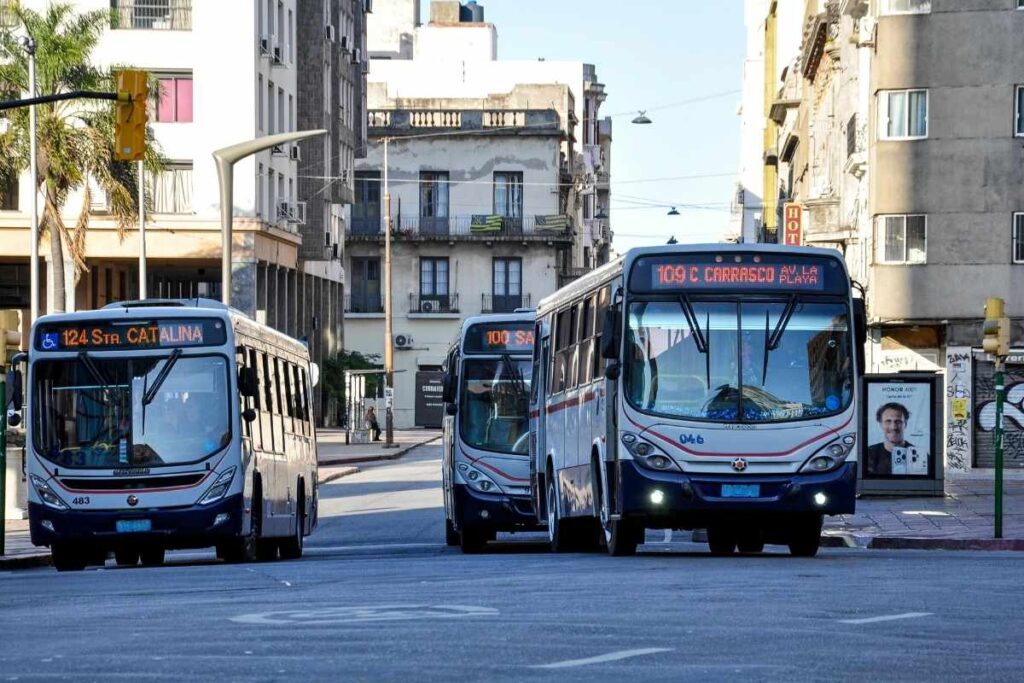
Montevideo’s bus system is operated by multiple companies and covers the entire city and metropolitan area. The network is extensive, affordable, and runs frequently on the main corridors. It’s also confusing for first-time visitors, which is why most tourists default to walking and ride apps instead.
If you do want to use the buses, you’ll need an STM card (Sistema de Transporte Metropolitano), the rechargeable transit card that works across all bus lines in Montevideo and the surrounding area. The STM is Montevideo’s equivalent of Buenos Aires’ SUBE card, and the logic is similar: tap the card on the reader when you board, and the fare is deducted automatically.
Where to Buy and Load
STM cards are available at designated sales points around the city, including the Tres Cruces Bus Terminal and select kioscos. The card costs a small fee, and you load credit at the same locations or through the STM website. Bring cash for loading, as not all points accept cards.
Fares and Transfers
A single bus ride costs approximately UYU 52 (roughly USD 1.20). The system offers a transfer discount when switching between lines within a two-hour window, which is charged automatically through the STM card.
When to Use the Bus
Buses make sense for specific routes that are too far to walk and too short to justify a ride app: Ciudad Vieja to Pocitos (15 minutes by bus vs. 90 minutes walking), Centro to Tres Cruces (the intercity bus terminal, useful for day trips), and the longer runs to neighborhoods like Carrasco near the airport. The apps Moovit and Cómo Ir provide real-time routes and schedules and are essential if you plan to use the bus system beyond the obvious corridors.
Uber and Bolt: The Easy Option
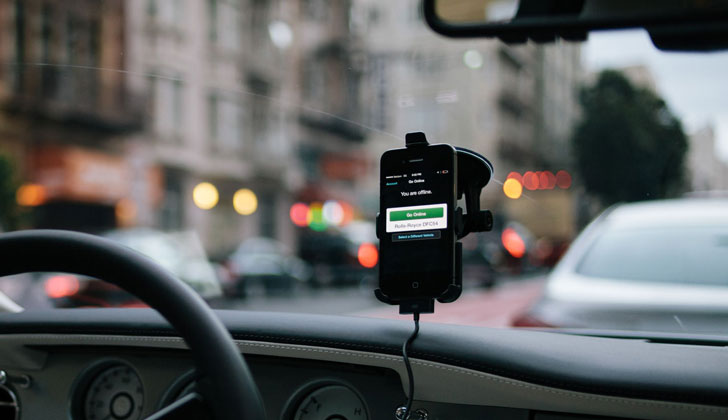
Uber and Bolt both operate reliably across Montevideo and are the most convenient transport option for visitors. Pricing is transparent, routes are GPS-navigated, and payment is handled through the app, which eliminates the cash and language issues that can complicate taxi rides.
Typical fares within the tourist zone:
Ciudad Vieja to Pocitos: USD 4 to 6. Pocitos to Carrasco Airport: USD 15 to 20. Ciudad Vieja to Tres Cruces Terminal: USD 4 to 5. Rambla (Pocitos) back to Ciudad Vieja: USD 5 to 7.
Both apps work well, though Uber has a slightly larger driver base. Having both installed gives you a backup during peak hours. Rides are generally available within 3 to 5 minutes in the central neighborhoods.
Taxis in Montevideo
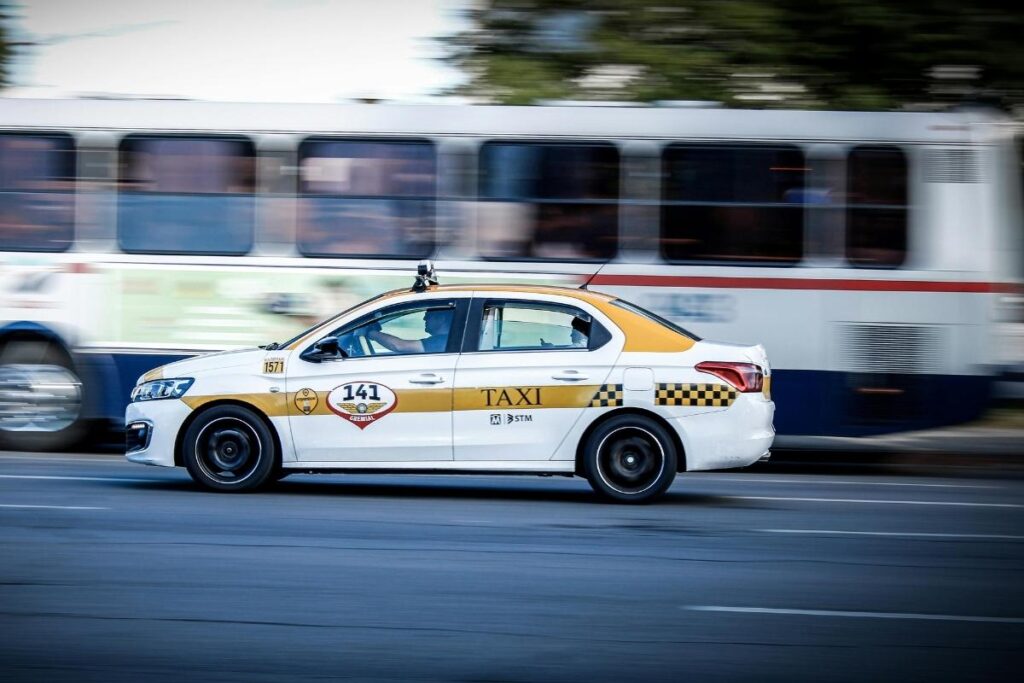
Tipping is not expected, though rounding up the fare is a common and appreciated gesture.
Montevideo taxis are yellow and white, metered, and generally honest. You can hail them on the street or find them at designated stands outside hotels, shopping centers, and the port. Fares are slightly higher than ride apps for the same distance, but the difference is small enough that convenience sometimes wins.
Taxis are particularly useful when your phone is dead, when ride app surge pricing spikes (rare but it happens during major events), or when you need a ride from a location where app drivers are scarce.
Renting a Car: Only for Leaving
For getting around Montevideo itself, a rental car is unnecessary. The city is compact, parking in Ciudad Vieja is limited and expensive, and the combination of walking, ride apps, and the occasional bus covers everything a visitor needs.

Where car rental for day trips makes genuine sense is for destinations outside the city. Punta del Este (130 km east), José Ignacio (160 km east), and the inland wine regions of Canelones are all easier to explore with your own vehicle than with public transport. Rent on the day you leave the city and return it when you come back. Keeping a car parked in Montevideo for days you’re spending on foot is a waste of money.
For the most popular day trip that doesn’t require a car, getting to Colonia is straightforward by intercity bus from Tres Cruces Terminal (about 2.5 hours, comfortable coaches, frequent departures). No car needed.
The Summary
Montevideo’s transport hierarchy is simple and forgiving. Walk for anything in Ciudad Vieja and along the Rambla. Use Uber or Bolt for cross-neighborhood trips, airport runs, and late-night returns. Take the bus for specific longer routes where the savings justify the learning curve. Rent a car only when you’re leaving the city.
The honest truth is that most visitors to Montevideo will walk 70 percent of their trip and Uber the rest. The city was built at a human scale, and the best way to experience it is at a human pace.