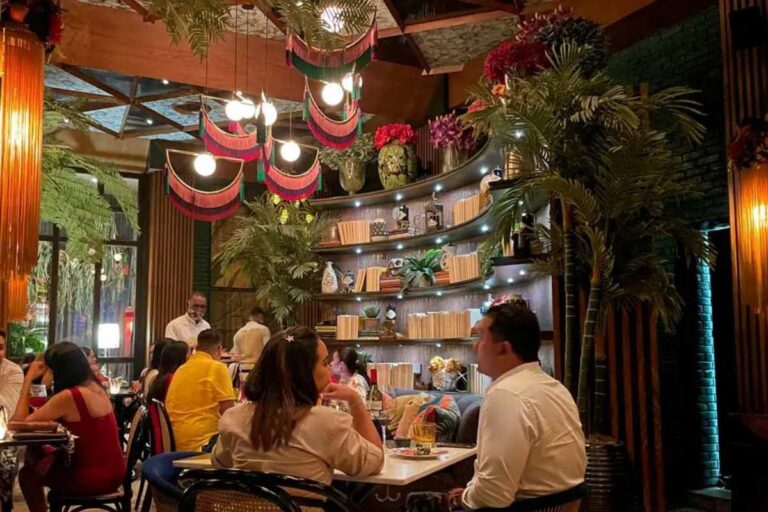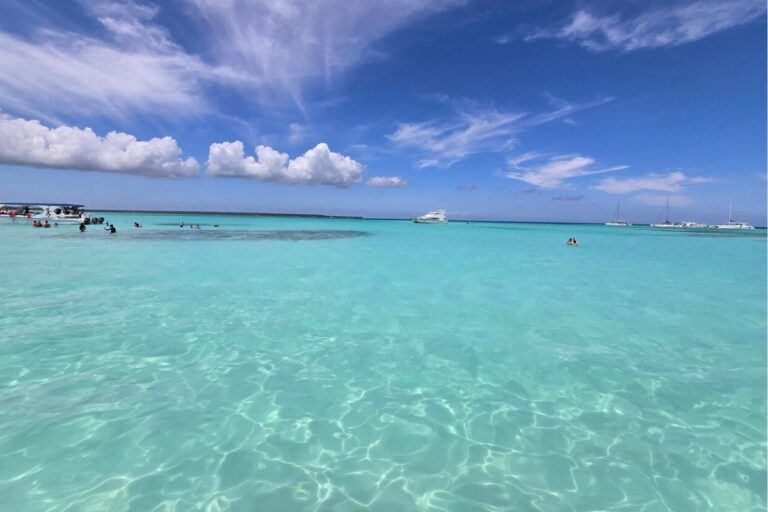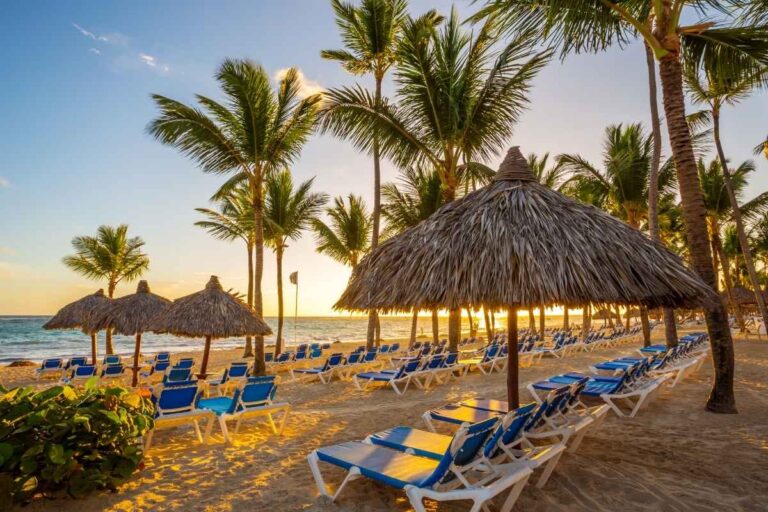

This is one of the most common questions travelers ask before booking Punta Cana, and my answer isn’t the same for everyone. The two models serve fundamentally different kinds of trips, and choosing the wrong one doesn’t just affect your budget. It affects how you eat, how you spend your days, how much freedom you have, and whether you come home feeling like you experienced the Dominican Republic or like you spent a week inside a hotel compound.
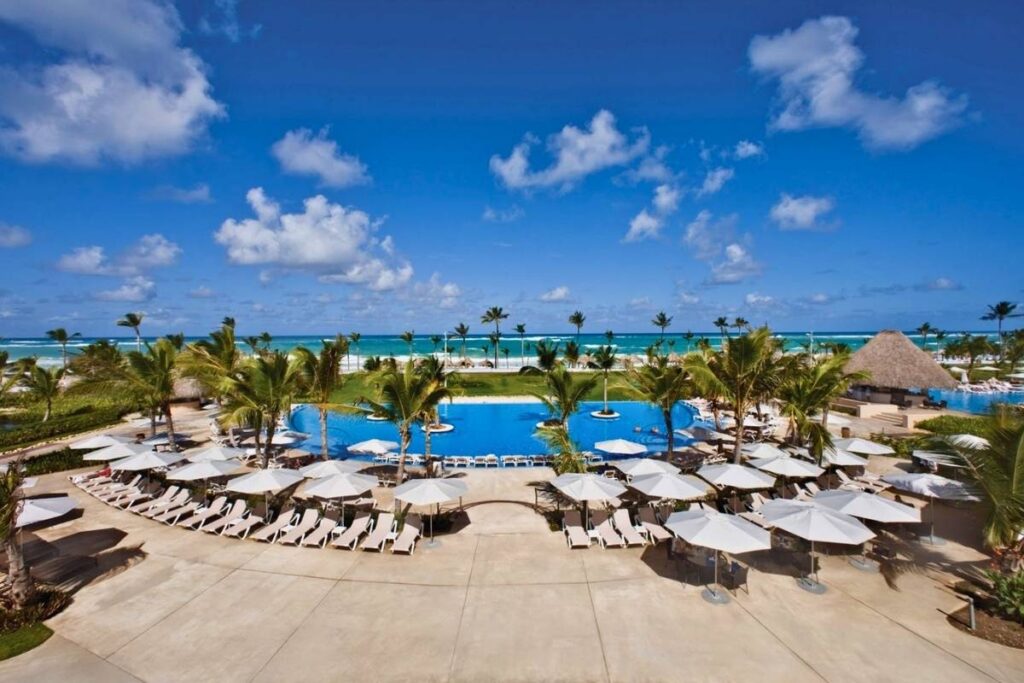
Here’s what each option actually means, and who each one works best for.
What All-Inclusive Means in Punta Cana
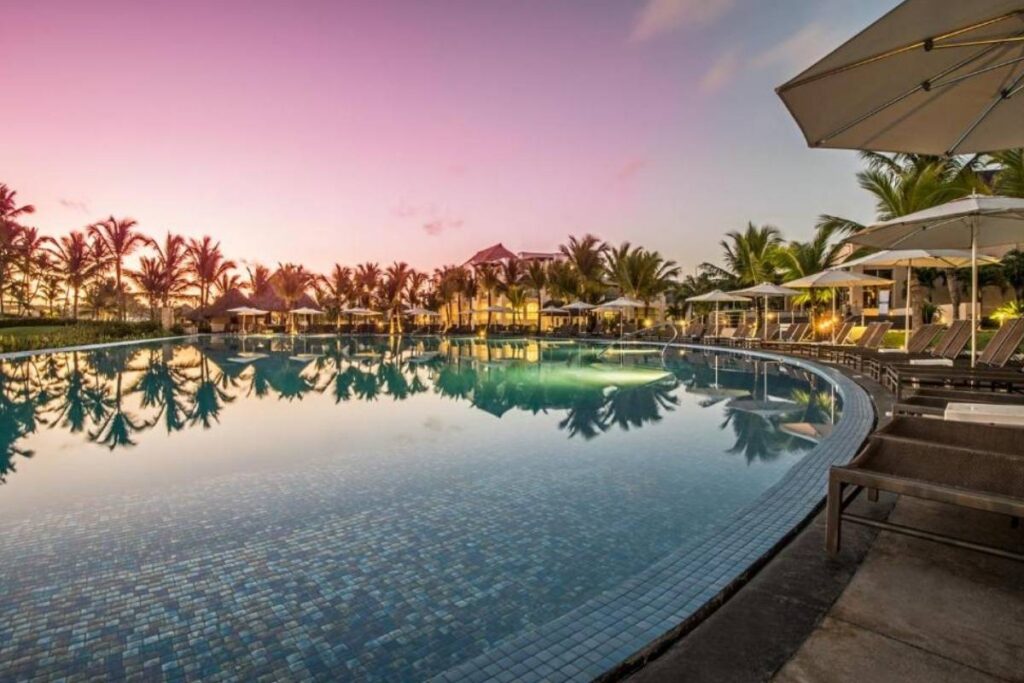
Punta Cana has one of the highest concentrations of all-inclusive resorts in the Caribbean, and the quality range is enormous.
An all-inclusive resort in Punta Cana bundles your room, all meals, snacks, drinks (alcoholic and non-alcoholic), and typically a range of on-site activities into a single nightly rate. Some properties also include access to water sports, kids’ clubs, entertainment, and spa credits. You pay once, and from the moment you arrive, almost nothing costs extra.
At the top end, brands like Hyatt Zilara, Excellence, Secrets, and Hard Rock run operations where the food is genuinely good across multiple specialty restaurants, the drinks are name-brand, and the facilities are well-maintained. At the budget end, the “all-inclusive” label can mean buffet-only dining, watered-down drinks, and facilities that haven’t been updated in years.
The distinction matters because a bad all-inclusive experience in Punta Cana is one of the most common complaints in Caribbean travel. The solution isn’t to avoid all-inclusive entirely. It’s to choose the right property.
Who All-Inclusive Works Best For
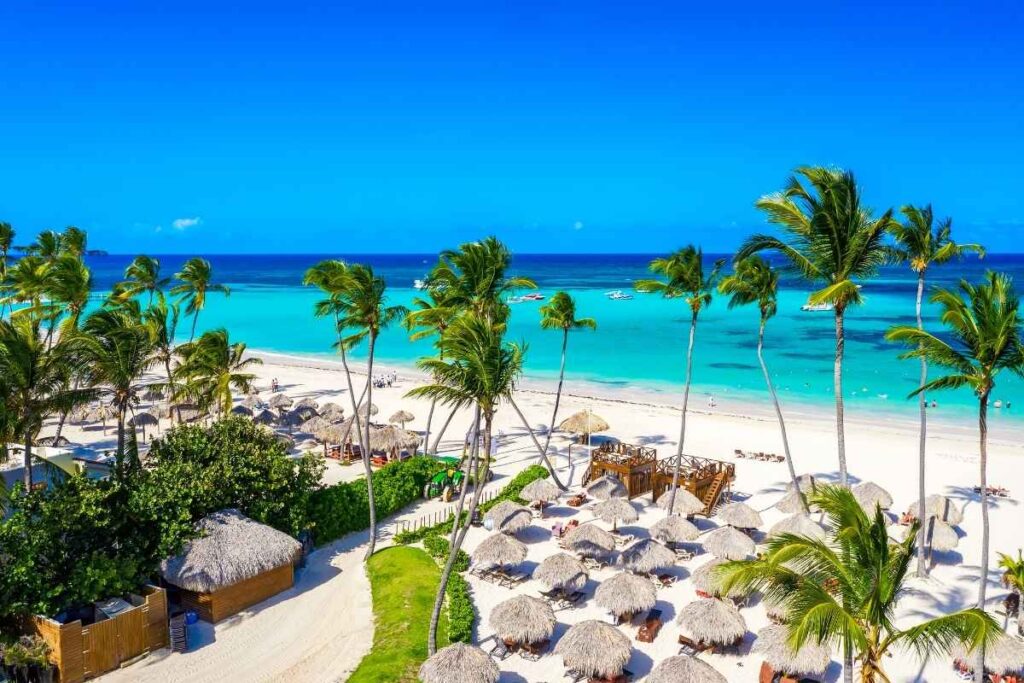
Families with children. The kids’ clubs, poolside access, and unlimited food and drinks eliminate the logistical friction that makes family travel exhausting. You don’t have to think about where to eat, what it will cost, or whether the restaurant has a children’s menu. It’s all handled.
Couples who want to disconnect. If your goal is to lie on the beach, swim in the pool, eat without checking prices, and not make a single decision for seven days, all-inclusive was designed for you. The best Punta Cana resorts execute this formula at a very high level.
Budget-conscious travelers who want predictability. Knowing your total trip cost before you leave home eliminates financial surprises. In a destination where restaurant meals, taxis, and excursions add up quickly, the fixed price of all-inclusive can be genuinely economical, especially for travelers who eat and drink a lot.
What European Plan Means
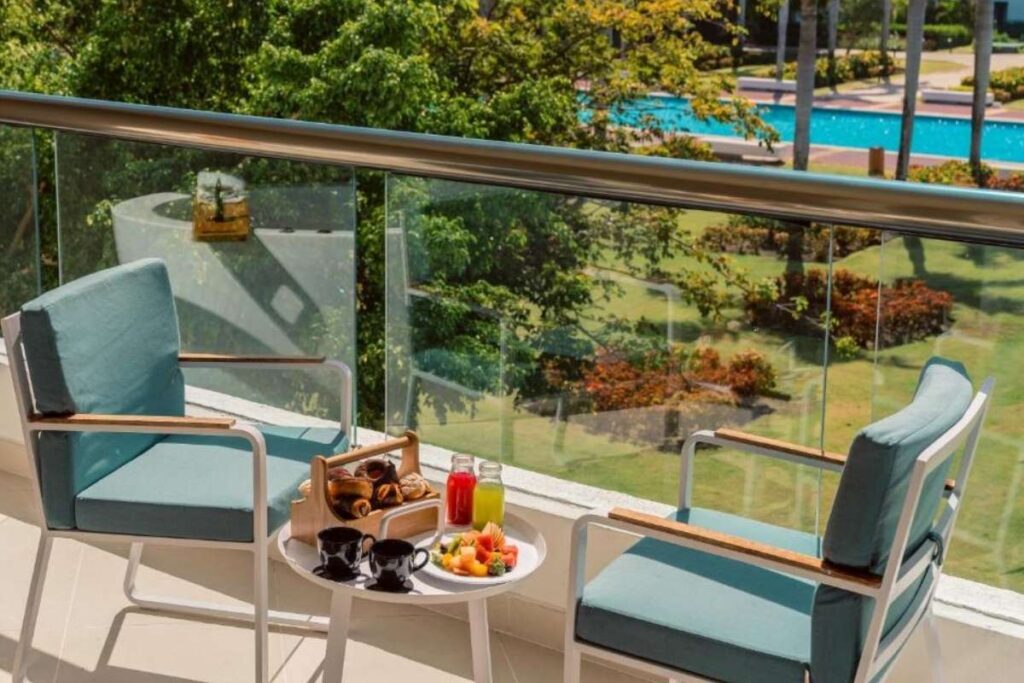
A European Plan (EP) hotel includes your room only. No meals, no drinks, no activities beyond basic amenities. You pay for everything else separately, either at the hotel’s restaurants or outside the property.
In Punta Cana, EP options are less common than all-inclusive, but they exist, particularly in the form of boutique hotels, aparthotels, and smaller properties in Bávaro, El Cortecito, and Los Corales, the walkable beachfront neighborhoods where restaurants, bars, and local life concentrate outside the resort gates.
Who European Plan Works Best For
Independent travelers who want to explore. If staying inside a resort compound for an entire week sounds limiting rather than relaxing, EP gives you the freedom to eat at local restaurants, discover Dominican food culture beyond the buffet, and move through the destination at your own pace.
Foodies. The restaurant scene outside the resorts has improved dramatically. Dominican comedores (local eateries) serve dishes like mangú, la bandera (rice, beans, and stewed meat), and fresh pescado frito at a fraction of resort prices. The experience of eating where locals eat is something no all-inclusive can replicate, no matter how many specialty restaurants it offers.
Longer stays on a budget. If you’re staying for more than a week, EP with self-catering (apartments with kitchens) can cost significantly less than even a budget all-inclusive, particularly if you shop at local supermarkets and eat out selectively.
The Honest Comparison
The real question isn’t which model is better. It’s which model matches your trip.
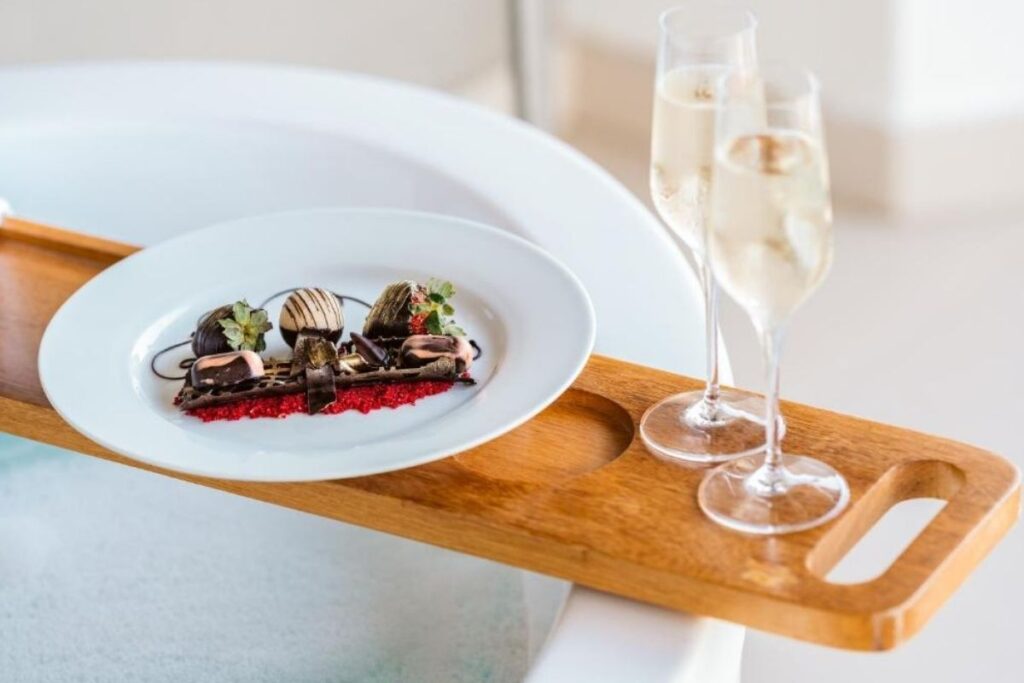
Choose all-inclusive if your priority is relaxation, predictability, and not thinking about logistics. You’ll pay more upfront, but the mental freedom of having everything handled has real value, especially on a short trip where every decision takes time away from doing nothing.
Choose European plan if your priority is flexibility, local immersion, and the ability to shape each day around your own interests. You’ll manage more logistics, but you’ll also see more of the Dominican Republic beyond the resort fence.
The hybrid approach works too. Some travelers book three or four nights at an all-inclusive to decompress after arrival, then move to an EP property in Bávaro or El Cortecito for the second half of the trip. This gives you both experiences without committing entirely to either one.
Finding the Right Property
Whichever model you choose, the property itself matters more than the category. A well-run EP hotel in the right location will outperform a poorly managed all-inclusive every time, and vice versa. The key variables are location, food quality, maintenance, and how recently the property was renovated.
For a curated selection of both all-inclusive and European plan options in Punta Cana, organized by budget and traveler profile, check our Punta Cana hotels page. Every property listed has been filtered for the criteria that actually affect your stay.