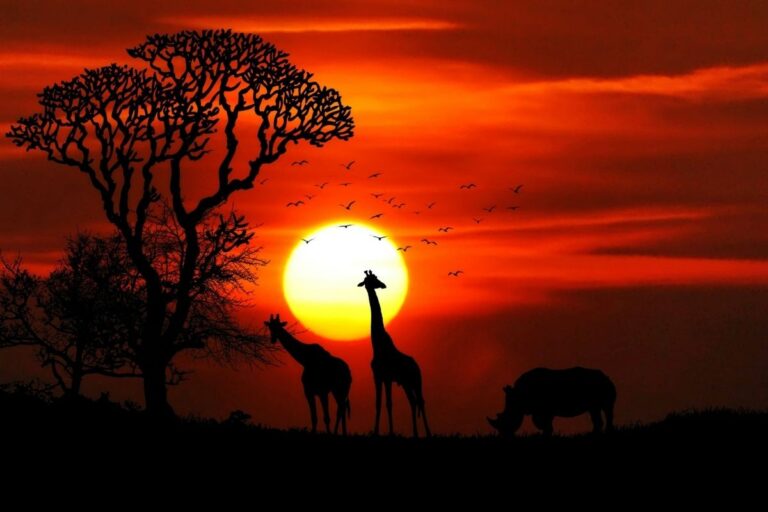

The short answer to what wildlife can be seen in Masai Mara is: almost everything. The Masai Mara National Reserve in southwestern Kenya is one of the most wildlife-dense ecosystems on Earth, home to over 95 species of mammals and more than 450 species of birds across roughly 1,510 square kilometers of open savanna, riverine forest, and acacia woodland. It is one of the few places in Africa where seeing all Big Five members in a single day is a realistic possibility rather than a wishful one.
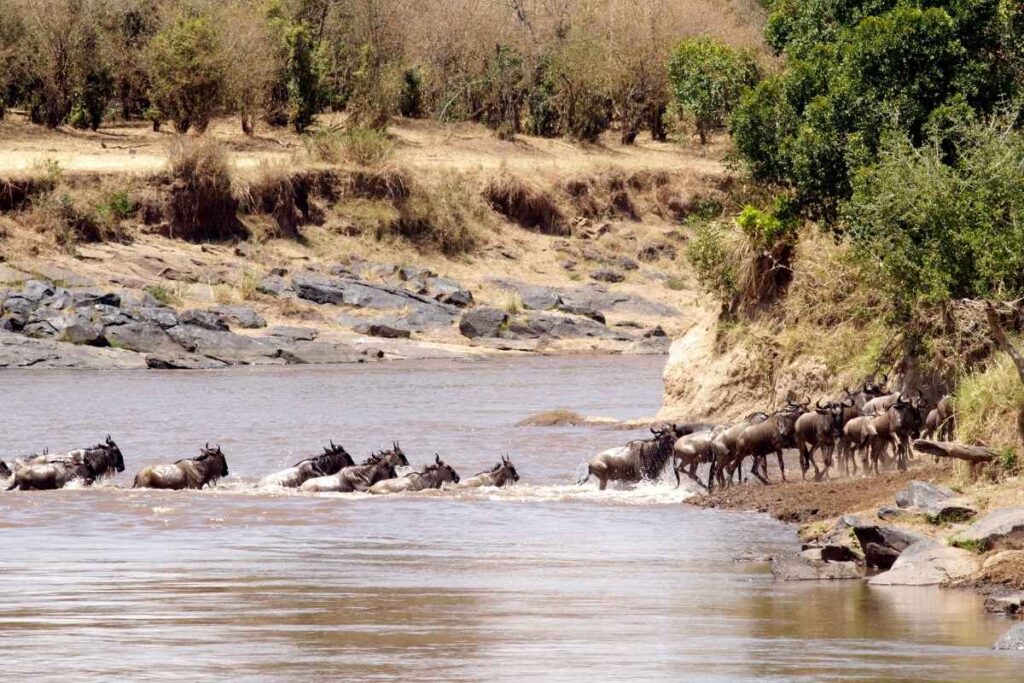
But the Mara isn’t just a checklist destination. What makes it exceptional is how close you get, how frequently the animals appear, and how the landscape itself creates the conditions for predator-prey encounters that play out in front of you in real time. Here’s what you can expect to see.
The Big Five
The term Big Five was originally a hunting designation for the five most dangerous animals to pursue on foot. In the modern safari context, it refers to lion, leopard, elephant, Cape buffalo, and rhinoceros, and the Masai Mara delivers all five with remarkable consistency.
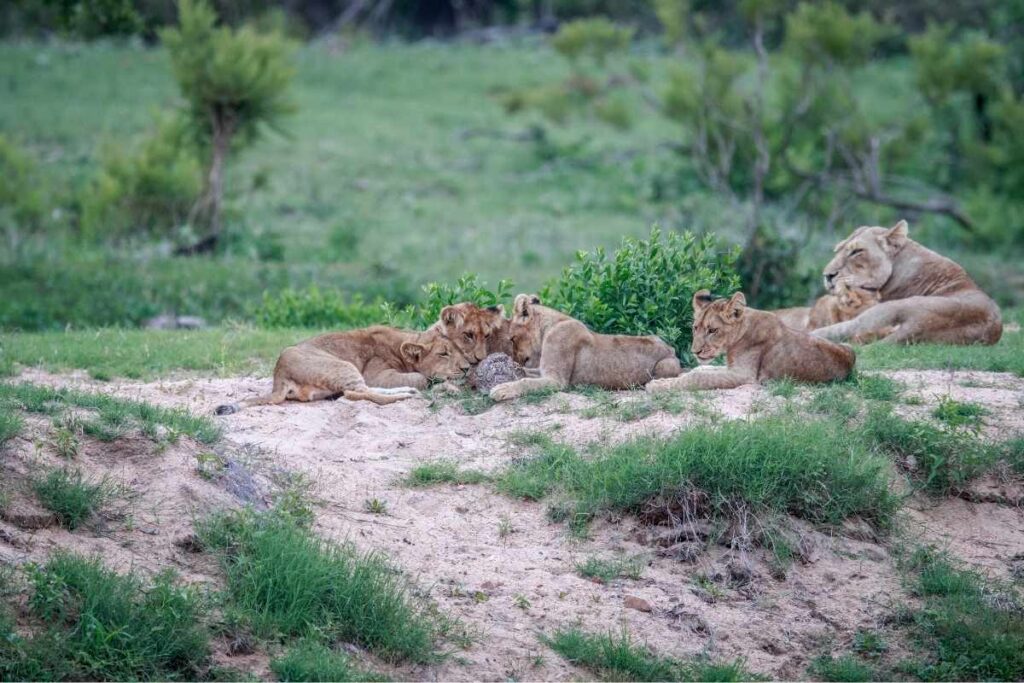
Lions are the Mara’s headline act. The reserve supports one of the largest lion populations in Africa, with multiple well-known prides that have been studied and documented for decades. Sightings are almost guaranteed on a multi-day visit, and the open grassland terrain means you often see them hunting, not just sleeping.
Leopards are more elusive but regularly spotted along the Mara River and in the riverine forests where they rest in the branches of large fig and sausage trees. Early morning and late afternoon game drives offer the best chances, particularly in the Mara Triangle on the western side of the reserve.
African elephants move through the Mara in herds that range from small family groups to gatherings of 30 or more. They’re present year-round and frequently seen crossing open plains, feeding in woodland margins, and bathing in the river.
Cape buffalo are among the most abundant large mammals in the reserve, often found in herds of several hundred. They’re less glamorous than the cats but no less impressive up close, and their interactions with lions (buffalo are a primary prey species for Mara prides) produce some of the most intense wildlife encounters in East Africa.
Black rhinoceros are the hardest of the Big Five to find. The Mara’s population is small and critically endangered, and the animals are solitary, secretive, and often found in dense bush. Sightings happen but cannot be counted on, which makes them all the more significant when they do.
See Also: Masai Mara Safari from Nairobi: Prices, What’s Included and How to Book
The Great Migration
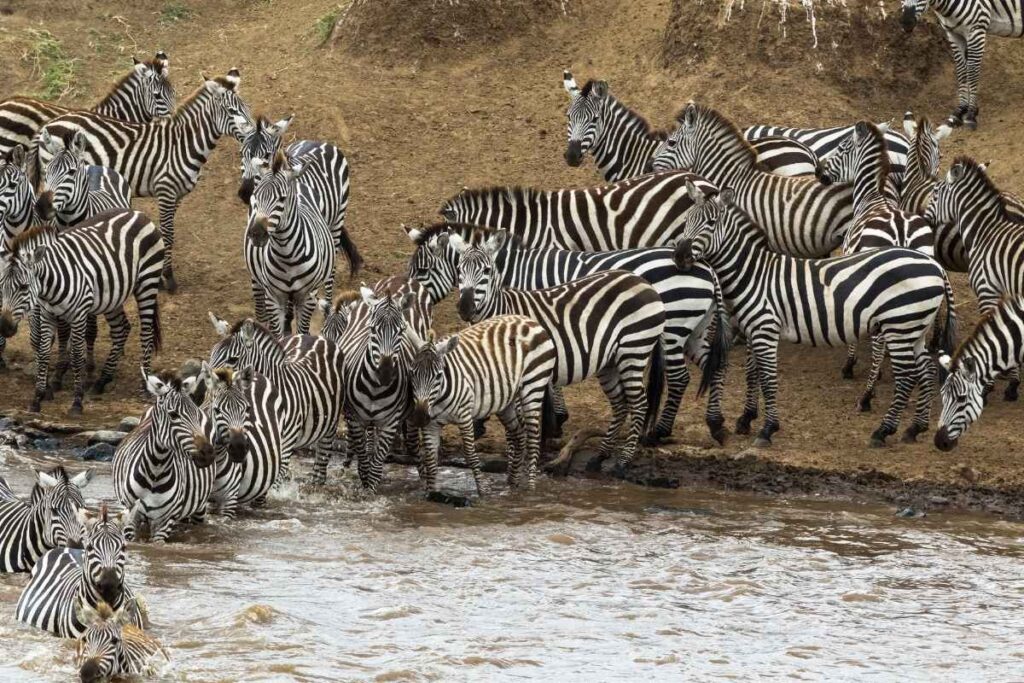
The Great Wildebeest Migration is the single most spectacular wildlife event on the planet, and the Masai Mara is where its most dramatic chapter unfolds. Between July and October, approximately 2.5 million wildebeest, zebra, and Thomson’s gazelle move north from the Serengeti in Tanzania into the Mara, following the rains and the fresh grazing they produce.
The Mara River crossings are the moment that defines the migration in most people’s minds. Thousands of wildebeest gather on the riverbanks, often waiting for hours or days before the herd commits to crossing. When they do, the chaos is total: animals plunge into the current, Nile crocodiles attack from below, and the weakest are swept downstream. It is violent, mesmerizing, and entirely natural.
Outside of migration season, the Mara still supports large resident populations of wildebeest and zebra, along with topi, eland, hartebeest, and impala that graze the plains year-round.
Predators Beyond the Big Five
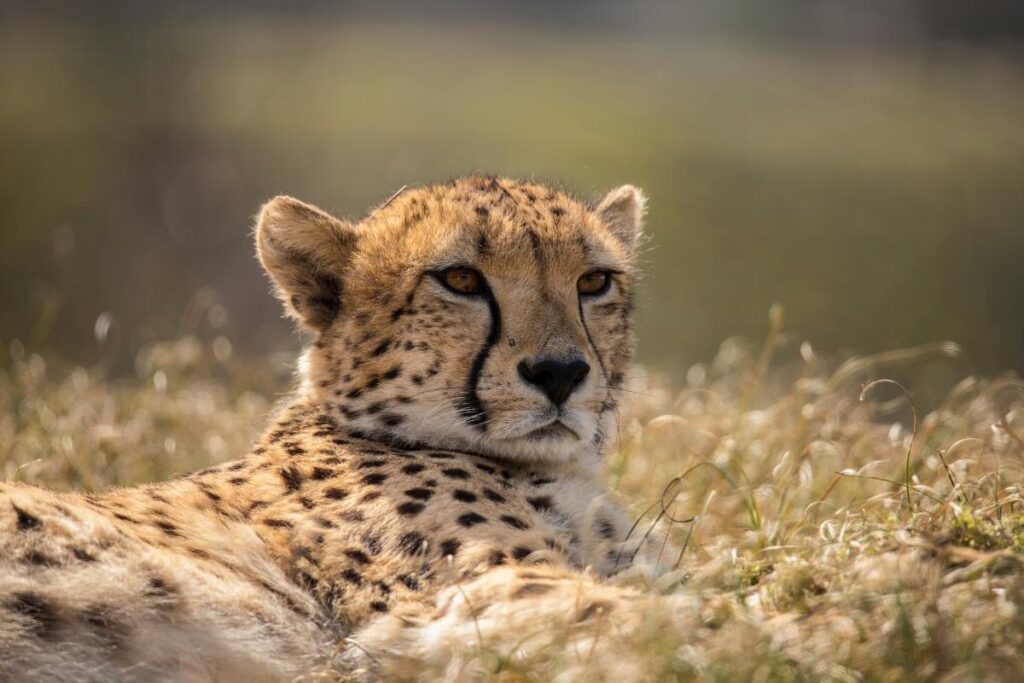
The Mara is one of the best places in Africa to observe predators in action. Cheetahs favor the open grassland and are regularly seen hunting Thomson’s gazelle in high-speed pursuits that remain one of nature’s most extraordinary displays of athleticism. The reserve supports a healthy cheetah population, and sightings are common.
Spotted hyenas are everywhere. They hunt in clans, scavenge from kills, and engage in complex social behavior that is far more interesting than their reputation suggests. Black-backed jackals, bat-eared foxes, and serval cats round out the smaller predator list, though they require sharper eyes and more patient guides to find.
The River and the Sky
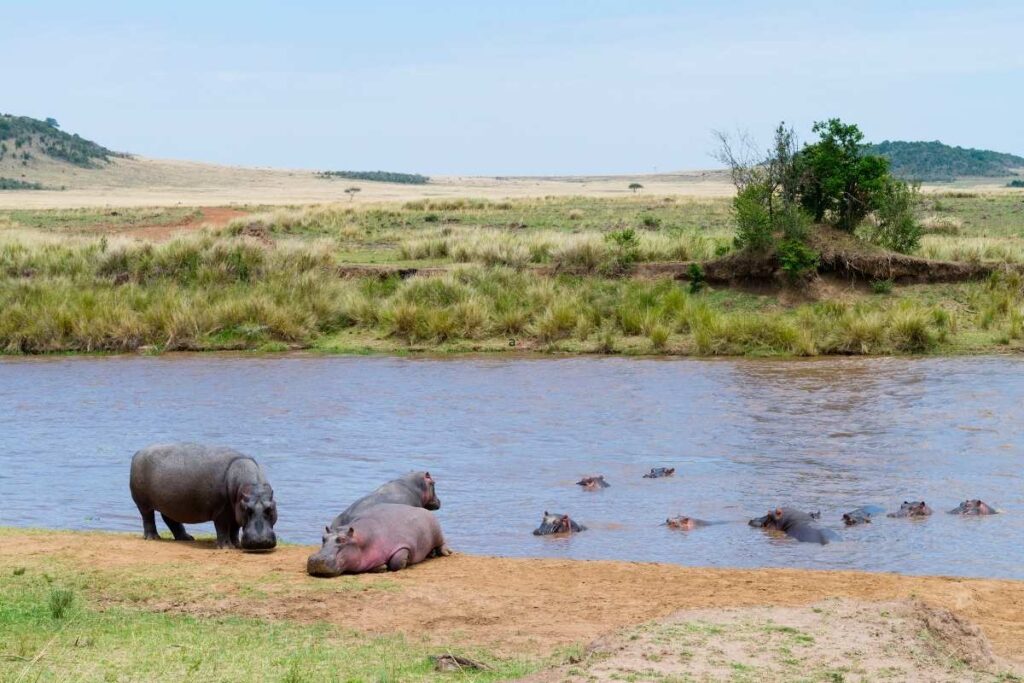
The Mara River and the Talek River are ecosystems within the ecosystem. Hippos congregate in deep pools by the dozen, surfacing and submerging in a rhythm that can keep you watching for longer than you planned. Nile crocodiles, some exceeding five meters in length, bask on the riverbanks and become active predators during the migration crossings.
The birdlife alone would justify a visit for any serious birder. Martial eagles, secretary birds, lilac-breasted rollers, crowned cranes, and African fish eagles are all regularly sighted. The vulture species that gather at kill sites (white-backed, Rüppell’s, lappet-faced) play a visible and essential role in the savanna’s nutrient cycle.
When the Wildlife Is at Its Best
The Mara delivers year-round game viewing, but the concentrations peak at different times. July to October is migration season, with the highest overall biomass and the most predator activity. January to March brings the calving season in the southern Serengeti (not in the Mara itself, but some resident herds calve locally), lush green landscapes, and excellent birdwatching as migratory species arrive from Europe and Asia. The dry months of June through October produce the best general game viewing because animals congregate around water sources and the shorter grass makes them easier to spot.
The Masai Mara does not require luck. It requires time, a good guide, and the willingness to sit quietly at a riverbank or a kill site and let the savanna show you what it has. What it has is more than almost anywhere else on Earth.