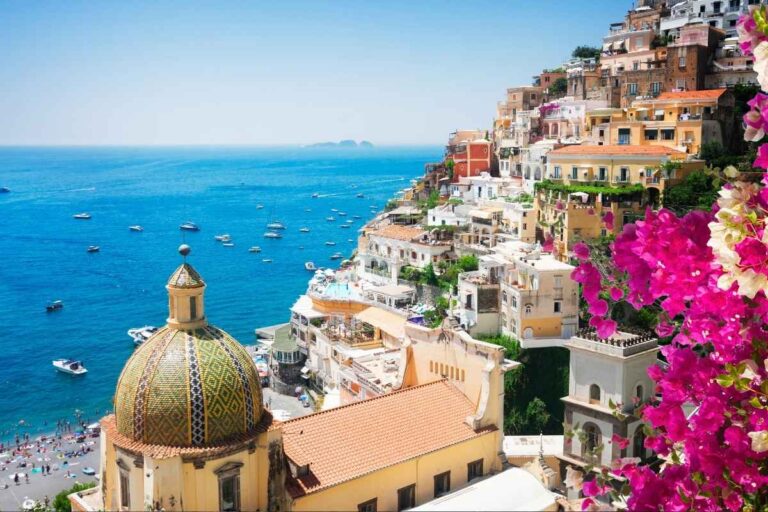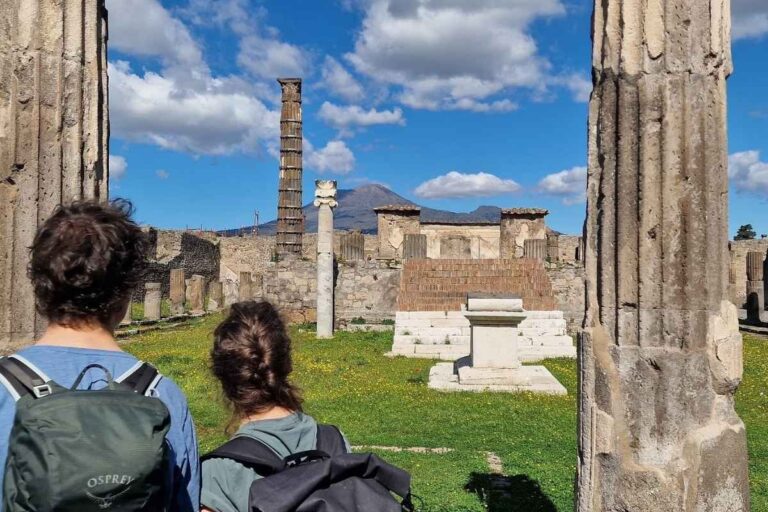

There is a stretch of southern Italian coastline where the mountains seem to tumble straight into the Tyrrhenian Sea, where pastel-colored houses cling to vertical rock faces in ways that challenge both gravity and common sense, and where the scent of lemon groves drifts through narrow alleyways that haven’t changed much since the Middle Ages. This is the Costiera Amalfitana, the Amalfi Coast, and it is, without exaggeration, one of the most culturally layered destinations in all of Europe.
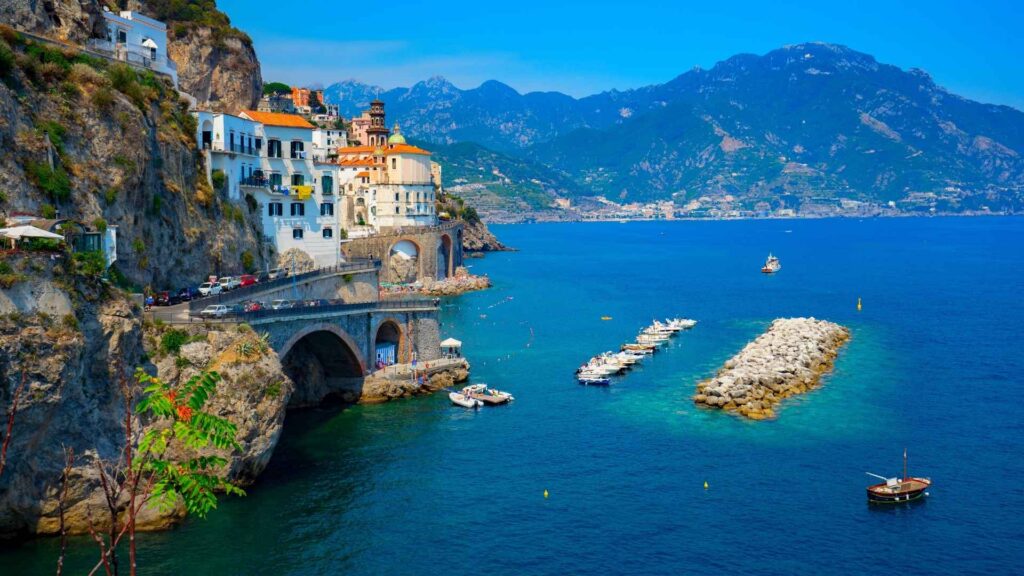
I have walked these paths, eaten at family-run trattorias tucked into cliffside terraces, and sat on the deck of a ferry watching those famous pastel facades grow larger on the horizon. And every time I come back, something new reveals itself. Not because the coast changes (it doesn’t, not really) but because there is simply too much woven into this 50-kilometer ribbon of coastline for a single visit to absorb.
This isn’t a list of things to do. What I want to do here is something different: I want you to understand what the Amalfi Coast actually is. Where it sits in the long arc of Mediterranean history. What each town brings to the story. And, just as importantly, how to get there from wherever you are in Italy, because the journey itself is part of the experience.
A Coastline Shaped by Geography and Stubbornness

The Amalfi Coast occupies the southern edge of the Sorrentine Peninsula, a dramatic ridge of limestone mountains known as the Monti Lattari that separates the Gulf of Naples from the Gulf of Salerno. The terrain here is almost absurdly steep. There is very little flat ground, and what exists has been painstakingly carved into terraces over centuries, with dry-stone walls stacked by hand to hold thin layers of soil where citrus trees, grapevines, and olive groves could take root.
This geography is the reason the coast looks the way it does. The villages weren’t designed to be picturesque. They were built vertically because there was nowhere else to build. Staircases serve as streets. Houses are stacked on top of each other. Churches occupy whatever ledge could support them. The whole thing looks, from a distance, like a nativity scene someone pressed into the side of a cliff.
UNESCO recognized this in 1997 when it inscribed the Costiera Amalfitana as a World Heritage Site, not just for its natural beauty, but specifically for the way human settlement adapted to an incredibly challenging landscape. The official designation calls it an outstanding example of a Mediterranean cultural landscape whose value comes from the intelligent, compatible relationship between people and terrain. In other words, UNESCO didn’t just protect the views. It protected the centuries of ingenuity that made those views possible.
The Towns That Form the Amalfi Coast
The coast is made up of roughly sixteen municipalities, stretching from Positano in the west to Vietri sul Mare in the east, with several inland villages perched high in the mountains above. Each one has its own personality, its own traditions, and its own reason to visit. Let me walk you through the ones that matter most.
Amalfi: The Heart of a Lost Maritime Empire
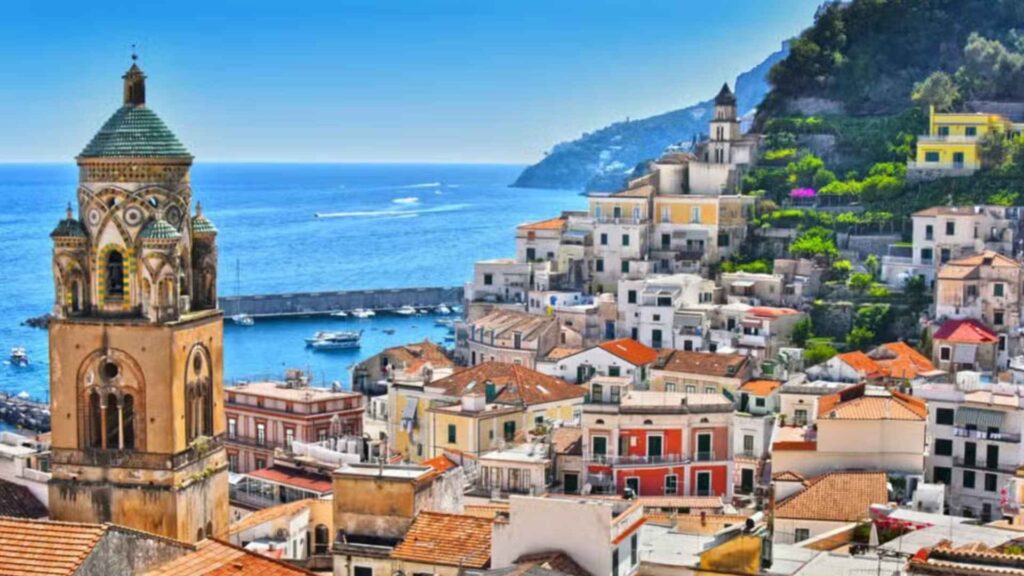
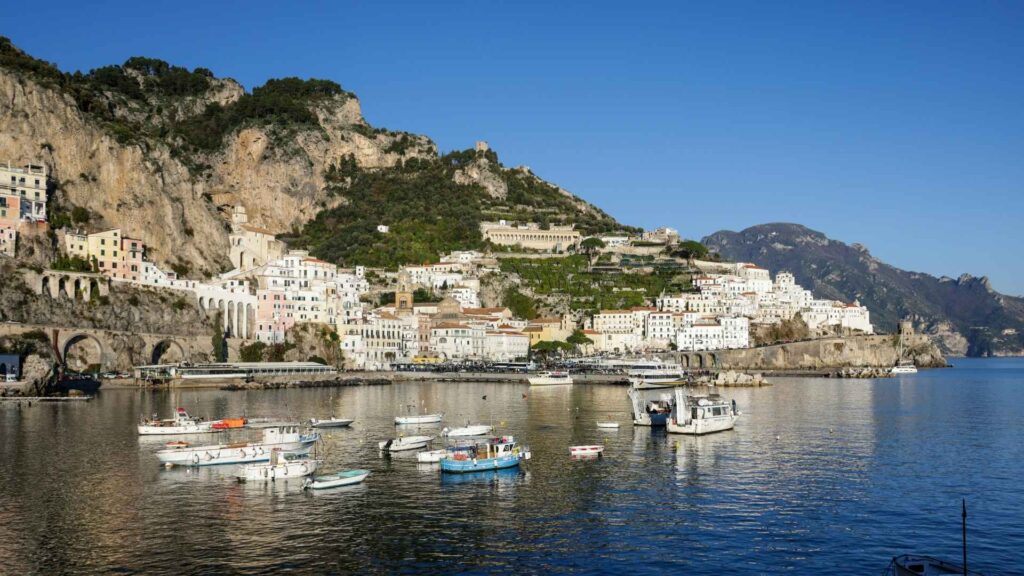
Amalfi is the town that gives the coast its name, and its history alone is worth the trip. Most people who visit see a charming seaside town with a cathedral, some shops, and a piazza where you can eat gelato. What they may not realize is that they’re standing in the ruins of one of the most powerful city-states the Mediterranean has ever known.
Between the 9th and 12th centuries, the Republic of Amalfi, or the Duchy as it was later called, was one of Italy’s four great Maritime Republics, alongside Venice, Genoa, and Pisa. At its peak, Amalfi’s population rivaled that of London. Its merchant fleet controlled trade routes stretching from Constantinople to North Africa. Its gold coins, the tarì, circulated across the entire Mediterranean basin.
But perhaps the most lasting contribution was legal, not commercial. Amalfi produced the Tavole Amalfitane (the Tables of Amalfi), one of the oldest maritime codes ever written. This 66-chapter document governed everything from the price of boat hires to the procedures for handling shipwrecks, and it remained the standard maritime law across the Italian Mediterranean from roughly the 11th century through the 16th. You can still see the original manuscript at the Museum of the Compass and Maritime Duchy of Amalfi, housed inside the Arsenale, the only partially preserved medieval shipyard in southern Italy.
Then there’s the compass. A bronze statue of Flavio Gioia stands in the harbor square, honoring the man traditionally credited with perfecting the magnetic compass for maritime navigation. Historians debate whether Gioia actually existed as a historical figure, since the compass almost certainly originated in China and passed through Arab traders before reaching Europe. Still, Amalfi’s role in adapting and spreading the technology across the Mediterranean is well documented.

The Amalfi Cathedral, with its striking Arab-Norman facade and the attached Cloister of Paradise, is the architectural centerpiece. The cathedral’s bronze doors were imported from Constantinople in the 11th century, a reminder of how far Amalfi’s trade networks once reached.
And then it ended. Pisa sacked the city in 1137, and Amalfi never recovered its former power. Natural disasters, including earthquakes, landslides, and a catastrophic storm in 1343, finished what Pisa started. The town that had once been a Mediterranean superpower became a quiet fishing village, which is more or less what it remained until tourism arrived in the 19th century.
Positano: The Vertical Village
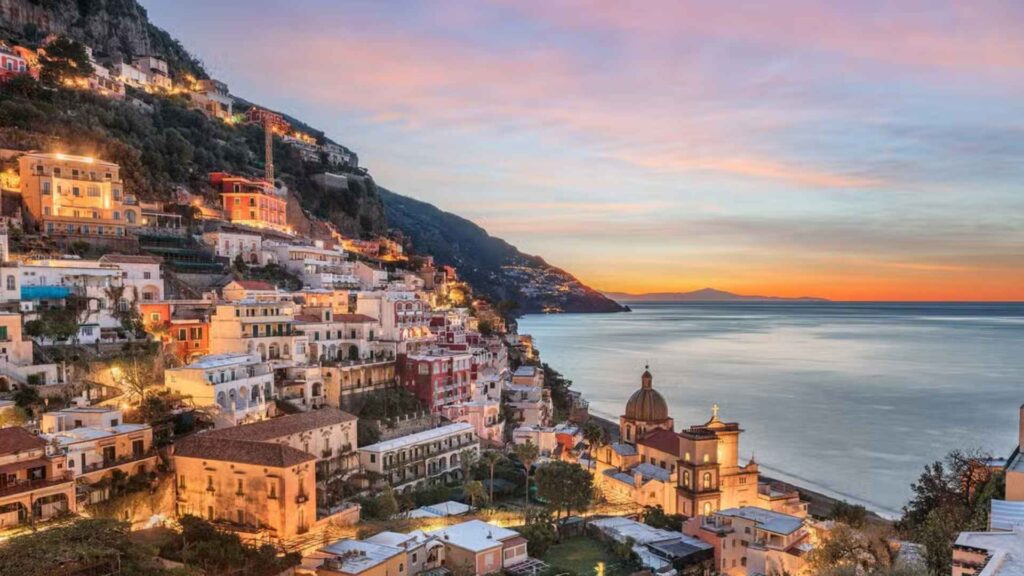
Positano is probably the most photographed town on the coast, and it’s easy to see why. The entire village cascades down a steep ravine toward a small crescent beach, with houses painted in shades of pink, terracotta, and pale yellow stacked so closely together that from the sea, the whole thing looks like a single, multicolored organism growing out of the rock.
The town was mostly a quiet fishing village until the mid-20th century. John Steinbeck wrote about it for Harper’s Bazaar in 1953, and the piece essentially put Positano on the international tourism map. The Church of Santa Maria Assunta, with its distinctive majolica-tiled dome, contains a Byzantine icon of the Black Madonna that has been venerated here for centuries.
Walking Positano is a vertical experience. You’re either going up or going down, and the “streets” are often staircases. It’s worth it. The higher you climb, the better the views, and the quieter the crowds get.
Ravello: The City of Music
Ravello sits 350 meters above the sea, perched on a ridge above the towns of Minori and Atrani, and it has a completely different atmosphere from the coastal villages below. Where Positano and Amalfi are about the sea, Ravello is about the sky.
The town’s two great landmarks are Villa Rufolo and Villa Cimbrone, both of which are worth the trip on their own. Villa Rufolo was built in the 13th century by one of Ravello’s wealthiest families and later restored in the 1850s by Scottish philanthropist Francis Neville Reid, who introduced rare botanical species to its terraced gardens. But the villa’s most famous moment came on May 26, 1880, when German composer Richard Wagner visited and was so overwhelmed by the gardens overlooking the sea that he wrote in the guest book of his hotel: the enchanted garden of Klingsor, a character from his opera Parsifal, had been found.
Wagner had been working on Parsifal for over twenty years, stuck on how to compose the second act. The gardens at Villa Rufolo unlocked something. The second act was set in a magical garden directly inspired by what he saw in Ravello, and Parsifal debuted at Bayreuth less than two years later.
That connection became the foundation for the Ravello Festival, which has been held every summer since 1953. What began as concerts of Wagner’s music performed by the San Carlo Orchestra has grown into a two-month celebration of classical music, opera, jazz, and contemporary performance, with events held on a stage that appears to float above the Mediterranean.
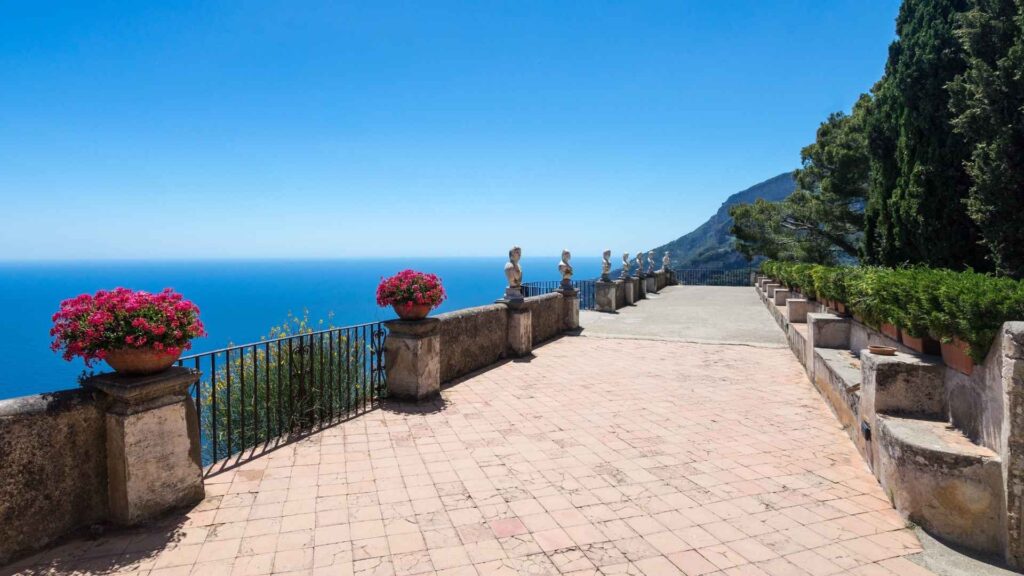
Villa Cimbrone, built by the English Lord Grimthorpe in the early 19th century, offers the famous Terrazza dell’Infinito (the Terrace of Infinity), which the American writer Gore Vidal once called the most beautiful view in the world. It’s hard to argue with him. The terrace hangs over a sheer cliff, and on a clear day, the coastline stretches endlessly in both directions.
Ravello has drawn an remarkable list of creative minds over the centuries: Boccaccio, D.H. Lawrence, Virginia Woolf, M.C. Escher, Greta Garbo, Gore Vidal himself (who lived here for decades), and many others. There is something about the altitude and the silence that seems to invite reflection.
Atrani: Italy’s Best-Kept Secret

Just around the headland from Amalfi, close enough to walk in five minutes, Atrani is one of the smallest municipalities in all of Italy and one of the most charming. It’s been recognized as one of I Borghi più belli d’Italia (the most beautiful villages in Italy), and it feels almost untouched by mass tourism.
During the days of the Maritime Republic, Atrani was where the Doges of Amalfi were ceremonially crowned, in the Church of San Salvatore de’ Bireto. The town’s layout feels almost like a souk, with narrow covered passages, tiny squares, and houses packed so tightly that sunlight barely reaches the lower streets.
Cetara: A Fishing Village Frozen in Time
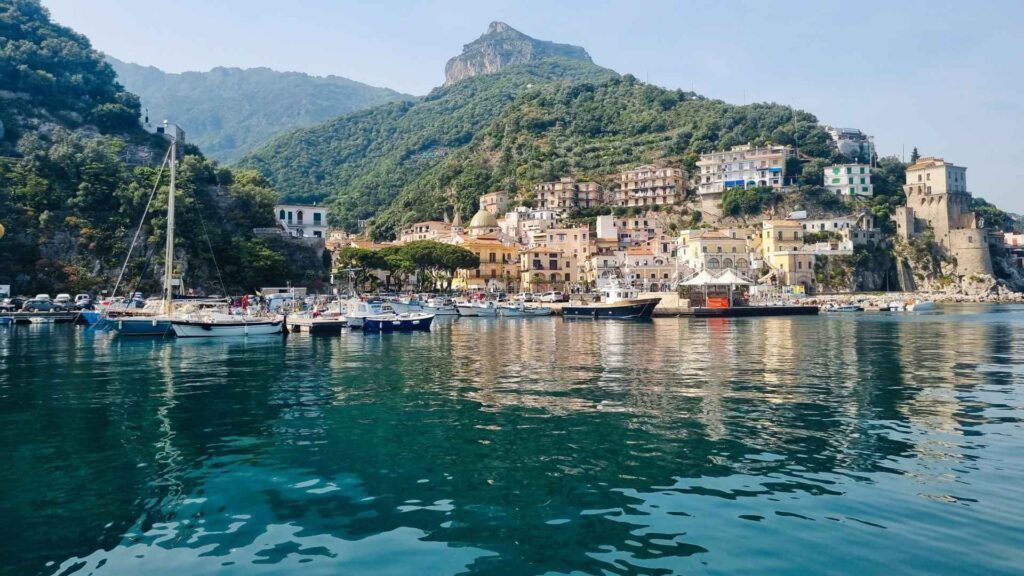
If Positano is the coast at its most glamorous, Cetara is the coast at its most authentic. This small fishing village is famous throughout Italy for its anchovies and, more specifically, for colatura di alici, a fermented anchovy sauce that is essentially the modern descendant of garum, the ancient Roman fish condiment. The production process hasn’t changed much in centuries, and the local restaurants serve it with a pride that borders on reverence.
Cetara also features the Torre Saracena, one of the watchtowers built along the coast during the 16th century to defend against Ottoman raids, a reminder that this coastline’s beauty has always coexisted with vulnerability.
Vietri sul Mare: The Gateway of Ceramics

Vietri sul Mare marks the eastern entrance to the Amalfi Coast and is the undisputed capital of Campanian ceramics. The town’s majolica tradition dates back centuries and has strong Arabic influences, a legacy of Amalfi’s medieval trade relationships. You can see it everywhere, on church domes, on house facades, in the dozens of artisan workshops that line the streets.
Also listed among I Borghi più belli d’Italia, Vietri is where many visitors first encounter the coast if arriving from Salerno, and it sets a colorful, artisan-rich tone for everything that follows.
Minori and Maiori: The Quiet Coast

These two neighboring towns often get overlooked in favor of their more famous siblings, but they reward the curious traveler. Minori has the ruins of a Roman villa with remarkably well-preserved frescoes and was historically known for its pasta production, and the town still celebrates this tradition. Maiori boasts the longest beach on the Amalfi Coast, making it a practical base for families.
Furore, Conca dei Marini, Praiano, and Scala

These smaller towns represent the quieter, more contemplative side of the coast. Furore is known for its dramatic fjord, a narrow inlet carved between towering cliffs. Conca dei Marini hides the Emerald Grotto (Grotta dello Smeraldo), a sea cave with emerald-green water caused by light filtering through an underwater opening. Praiano is a peaceful alternative to the busier towns, with a growing reputation among visitors who prefer a slower pace. And Scala, high in the mountains, claims to be the oldest settlement on the coast, founded in the 4th century.
Capri: The Island at the Edge of the Coast
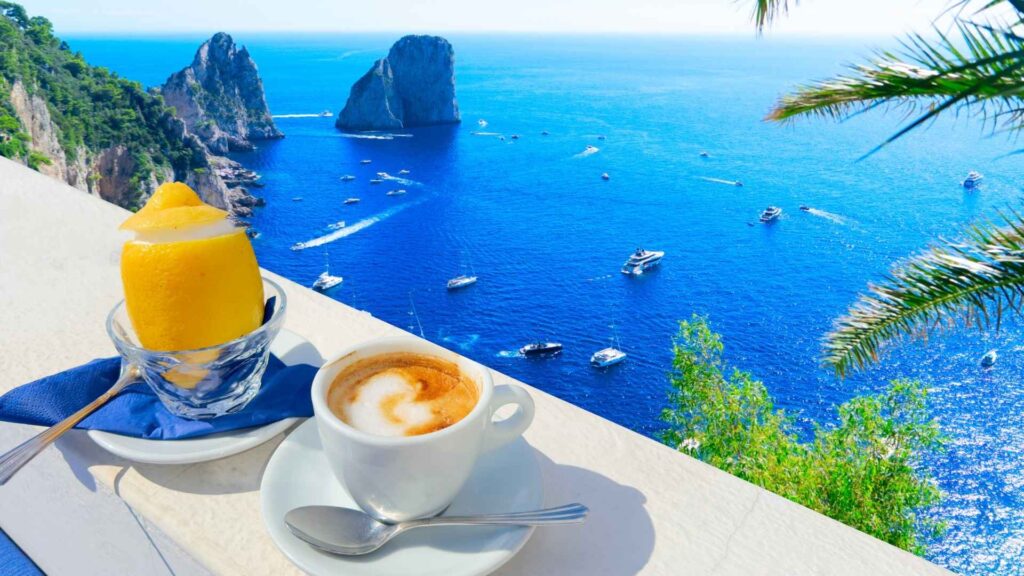
Technically, Capri is not part of the Amalfi Coast. Geographically, it sits in the Gulf of Naples, closer to the Sorrentine Peninsula. But practically, it’s woven into the same travel fabric, as ferries connect Capri to Positano, Amalfi, and Sorrento, and most visitors to this region include the island in their itinerary. And the island absolutely deserves it.
Capri has been attracting powerful visitors for over two thousand years. Emperor Tiberius moved the administrative capital of the Roman Empire here in 27 AD, building a dozen villas across the island, the most famous of which, Villa Jovis, sits atop a thousand-foot cliff on the island’s eastern edge. The ruins are still there, and the views from the top are worth every step of the climb.
But Capri’s most legendary attraction sits at sea level. The Grotta Azzurra (the Blue Grotto) is a sea cave where sunlight enters through an underwater opening and refracts upward through the water, filling the entire cavern with an otherworldly blue glow. The effect is caused by the specific depth, clarity, and geometry of the cave, and there is nothing quite like it anywhere else.

During Roman times, Tiberius used the grotto as a personal swimming pool and marine temple, decorating it with statues of Neptune and Triton, three of which were recovered from the cave floor in 1964 and are now displayed in a museum in Anacapri. After the fall of Rome, locals avoided the cave for centuries, believing it to be inhabited by witches and evil spirits. It wasn’t until 1826 that German writer August Kopisch and painter Ernst Fries entered the grotto with a local fisherman named Angelo Ferraro and brought it to the wider world’s attention.
Visiting the Blue Grotto requires lying flat in a small four-person rowboat while the oarsman uses a chain to guide the boat through an opening barely a meter high. It sounds uncomfortable, and it is, briefly. But the moment the blue light fills your vision, the discomfort disappears entirely.
Beyond the grotto, Capri offers the Gardens of Augustus (with views of the famous Faraglioni rock formations), the chairlift to Monte Solaro (the island’s highest point), the Villa San Michele museum in Anacapri, and some of the best people-watching in the Mediterranean from the cafes around La Piazzetta.
What the Land Produces: Flavors of the Coast

A region this old and this geographically specific has inevitably developed a culinary identity that is impossible to separate from the landscape itself.
The Sfusato Amalfitano, the local lemon variety, is the foundation of everything. Larger, sweeter, and thicker-skinned than standard lemons, these fruits grow on the terraced groves that climb the hillsides and are the essential ingredient in limoncello, the bright yellow liqueur that has become synonymous with the coast. Limoncello production runs from February through October, and the best bottles come from small, family-run operations that have been making it for generations.
Amalfi was also, historically, a center of handmade paper production. The town’s bambagina paper, made from cotton rags using techniques that date to the medieval period, was once used for legal documents, private correspondence, and revenue stamps. The Paper Museum in the Valle dei Mulini traces this tradition.
Then there’s Cetara’s colatura di alici, Tramonti’s concerto liqueur (a dark herbal rosolio that takes its name from the “concert” of herbs that compose it), Vietri’s ceramics, and Ravello’s wine. The coast produces far more than postcards.
How to Reach the Amalfi Coast
Getting to the Amalfi Coast is part of the adventure, and the route you choose shapes the experience. Here are the main options from Italy’s most common starting points.
From Rome

The distance is roughly 270 kilometers, and the most practical route combines Italy’s high-speed rail network with a local connection.
By train: Take a high-speed Trenitalia or Italo train from Roma Termini to Napoli Centrale. The Frecciarossa covers the distance in about 1 hour and 10 minutes. From Naples, you have two options: continue by train to Salerno (another 35-40 minutes) and then catch a SITA bus or seasonal ferry to the coast, or take the Circumvesuviana regional line to Sorrento (about 1.5 hours) and connect from there. If you want to compare schedules and book European rail tickets in advance, planning ahead can save both money and stress, especially during peak summer months.
By car: The drive takes 3-4 hours via the A1 autostrada south to Naples, then the A3 toward Salerno. From Salerno, you’ll pick up the SS163, the famous Amalfi Drive, a winding, narrow, spectacular road carved into the cliffs. A word of honest advice: driving the SS163 for the first time is not for the anxious. The road is barely two lanes wide, tour buses take up most of both, and the drop-offs are real. But the views are extraordinary. If you’re comfortable with the driving and want the freedom to explore at your own pace, renting a car gives you access to the smaller towns and mountain villages that public transport doesn’t easily reach.
From Naples

Naples is the natural gateway to the coast, and you have several good options.
By train + bus: Take a regional train from Napoli Centrale to Salerno (35-40 minutes), then catch a SITA Sud bus along the coast. Buses run regularly and stop at all the main towns. Alternatively, take the Circumvesuviana line to Sorrento and connect by SITA bus over the mountain pass to Positano and beyond.
By ferry: During the warmer months (roughly April through October), ferries run from Naples’ Molo Beverello port to Positano, Amalfi, and Capri. The crossing to Positano takes about an hour, and arriving by sea, watching those cliff-side villages materialize out of the coastal haze, is genuinely one of the great arrival experiences in European travel. If you’re looking to book a ferry or coastal boat tour, seasonal schedules fill up fast, so early booking is worthwhile.
From Sorrento

Sorrento sits just on the other side of the Sorrentine Peninsula, making it the closest major town to the coast.
By bus: SITA buses run frequently between Sorrento and Positano (about 50 minutes), continuing along the coast to Amalfi and beyond.
By ferry: Seasonal ferries connect Sorrento to Positano (about 35 minutes), Amalfi, and Capri. This is often the fastest and most scenic option.
By car: The drive from Sorrento to Positano is about 17 kilometers, but on the SS163, that translates to 40-50 minutes of switchbacks and narrow passages. Again, booking a rental car makes sense if you plan to base yourself in one town and explore from there.
From Florence or Milan

From Florence, take the high-speed train to Naples (about 3 hours on the Frecciarossa), then follow the Naples instructions above. From Milan, the high-speed train to Naples takes about 4.5 hours. In both cases, booking rail tickets ahead of time typically gets you better fares and guaranteed seats.
Getting Around the Coast Itself
Once you’re on the coast, your main options are buses, ferries, and your own two feet. There are no trains on the Amalfi Coast because the terrain simply doesn’t allow it. The SITA buses are affordable and reliable but can get extremely crowded in July and August. Ferries are faster and far more scenic but only run seasonally and can be canceled in rough weather.
For Capri specifically, ferries depart regularly from Positano, Amalfi, Sorrento, and Naples. A guided boat tour that combines the Blue Grotto visit with a circuit of the island is one of the best ways to experience Capri without the logistical headaches of doing it independently.
For visitors who want the full coastal experience without the stress of driving or navigating bus schedules, a local guided tour along the SS163 or a boat excursion from Amalfi or Positano lets someone else handle the logistics while you take in the scenery. There are also private boat services that connect the main towns and can drop you at beaches and coves that are only accessible from the water.
When to Go to the Amalfi Coast

The Amalfi Coast has a Mediterranean climate, with warm, dry summers and mild winters. The peak tourist season runs from June through September, with July and August being the busiest (and most expensive) months. If you have flexibility, May and early June or September and early October offer warm weather, fewer crowds, and lower prices. The Ravello Festival runs from late June through mid-September, so if music is part of your plan, time your visit accordingly.
Winter is quiet, and many hotels and restaurants close, but the coast has a different beauty when the crowds disappear. The light changes, the sea turns a deeper blue, and the villages feel more like the working communities they’ve always been beneath the tourism.
More Than a Postcard

The Amalfi Coast is one of those rare places where natural beauty and human history are so deeply intertwined that you can’t appreciate one without understanding the other. The terraced lemon groves exist because medieval farmers needed arable land on a nearly vertical surface. The narrow, souk-like alleyways in Atrani reflect centuries of Arab trade influence. The ceramic tradition in Vietri connects to commercial relationships that once spanned the entire Mediterranean.
This isn’t a resort coast that was built for visitors. It’s a living landscape that was built by the people who have called it home for over a thousand years, and the tourism that sustains it now is just the latest chapter in a very long story. Understanding that story, from the maritime republic and the maritime code to the compass, the paper, the lemons, the festivals, the watchtowers, and the caves, is what turns a beautiful trip into a meaningful one.
And that, more than any photograph, is what keeps pulling me back.