Serengeti National Park Weather Guide: Best Time for Safari in Tanzania
Check the current weather and best time to visit Serengeti National Park.
Weather Forecast for Serengeti National Park
Best time to visit Serengeti National Park
Understanding the weather in Serengeti National Park is one of the most important steps when planning a safari in Tanzania. Recognized as one of the world's greatest wildlife destinations, the Serengeti National Park is famous for its vast savannahs, incredible biodiversity, and the legendary Great Migration, during which more than two million wildebeest, zebras, and gazelles travel across the ecosystem in search of fresh grazing land. The park is also home to the iconic Big Five—lion, leopard, elephant, rhinoceros, and buffalo—along with cheetahs, hyenas, giraffes, hippos, crocodiles, and hundreds of bird species. Because wildlife movements are closely linked to seasonal rainfall, understanding the climate can greatly enhance your safari experience.Unlike destinations with four traditional seasons, Serengeti National Park experiences two primary climatic periods: the dry season and the rainy season. Temperatures remain pleasant throughout the year thanks to the park's elevation, although rainfall patterns strongly influence animal migrations, vegetation, and safari conditions.
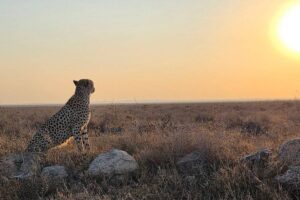
The dry season (June to October) is considered the best time to visit the Serengeti for classic game viewing. Grass becomes shorter, water sources become scarcer, and animals gather around rivers and watering holes, making wildlife easier to spot. During these months, many visitors witness dramatic predator encounters as lions, cheetahs, leopards, and crocodiles take advantage of the concentration of prey. The dry season also offers clear skies, comfortable temperatures, and excellent conditions for photography.
The short dry season (January and February) is another outstanding time to visit. These months coincide with the calving season in the southern Serengeti, when thousands of wildebeest calves are born each day. This remarkable natural event attracts numerous predators and provides unforgettable opportunities for wildlife observation.
The rainy seasons generally occur from March to May and again during November and December. Regular afternoon showers transform the plains into vibrant green landscapes filled with wildflowers and abundant birdlife. Although game viewing may require a little more patience due to taller vegetation, the scenery becomes exceptionally beautiful and visitor numbers are significantly lower, creating a quieter safari experience.
Temperatures in Serengeti National Park remain relatively stable throughout the year, with warm afternoons and cooler mornings and evenings. Lightweight clothing is recommended during the day, while a light jacket is useful for early morning game drives and evening safaris.
The climate of Serengeti National Park makes it an extraordinary destination in every season. Whether your goal is witnessing the Great Migration, photographing the Big Five, observing the wildebeest calving season, or simply experiencing one of Africa's most iconic landscapes, every time of year offers unique opportunities. Explore our complete Serengeti National Park weather guide below to discover average monthly temperatures, rainfall patterns, safari planning advice, wildlife highlights, and the best time to visit Tanzania's most famous national park.
Explore Our Latest Travel Guides & Tips about Tanzania