

Narrowing down the best places to see in New Zealand is an exercise in impossible choices. This is a country roughly the size of the United Kingdom that contains fjords, glaciers, active volcanoes, geothermal fields, subtropical beaches, wine regions, glowworm caves, and some of the most dramatic alpine scenery on Earth. You can drive from a rainforest to a ski resort in two hours, snorkel with dolphins in the morning and hike across a volcanic crater in the afternoon, and somehow none of it feels forced or contrived. New Zealand just happens to have everything, packed into two islands at the bottom of the Pacific.
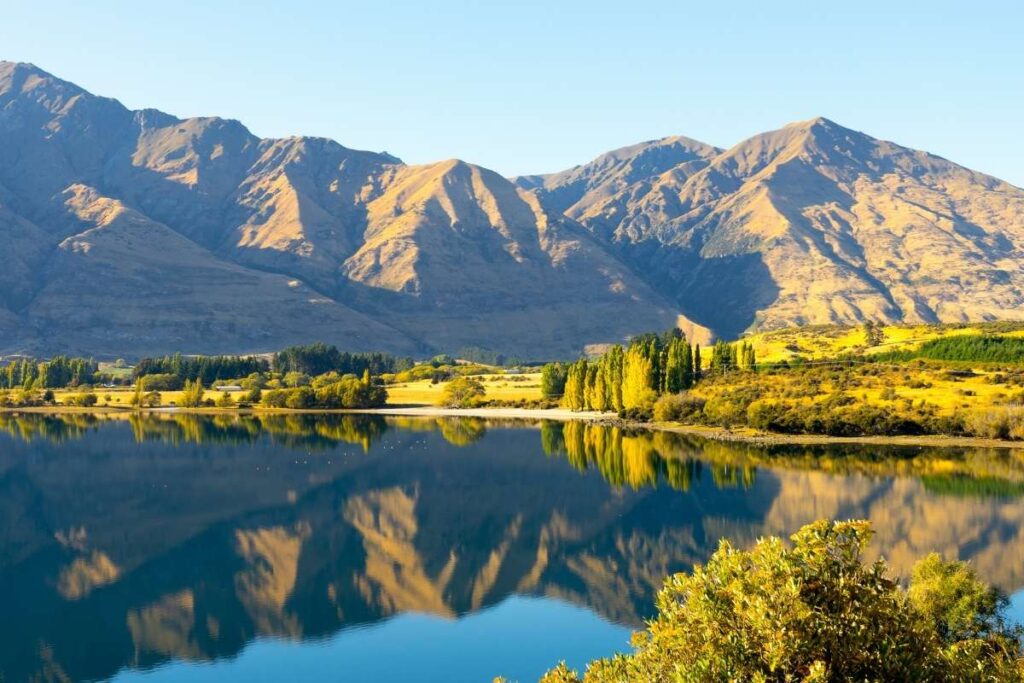
I’ve worked in tourism long enough to know that most travelers underestimate how much variety this country holds. The South Island gets the international fame, and deservedly so, but the North Island has a cultural and geological character that the south simply cannot replicate. The best trips include both. Here are the places that earn their spot on any itinerary.
Milford Sound, South Island
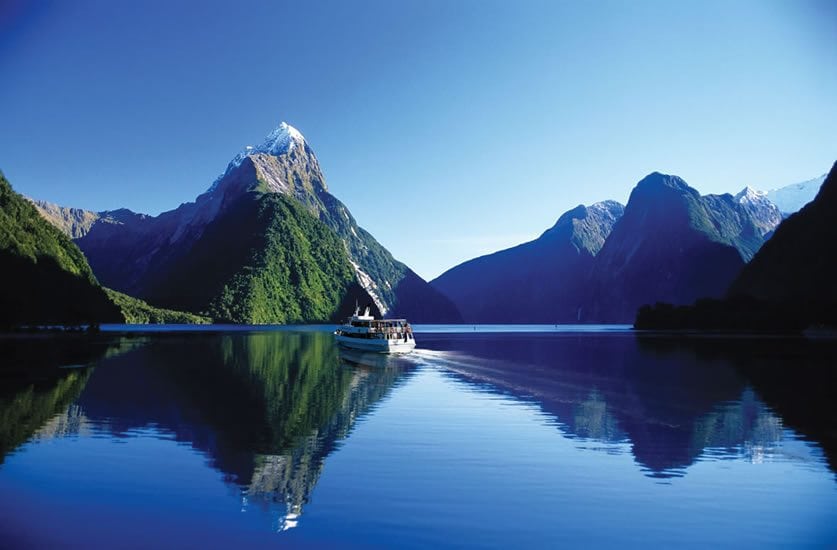
Milford Sound (Piopiotahi in Māori) is routinely called the eighth wonder of the world, and standing at the bow of a boat as the fjord reveals itself through the mist, the label feels earned. The 16-kilometer inlet is carved between vertical cliffs that rise over 1,200 meters from the water, draped in waterfalls that multiply after rain. Dolphins, fur seals, and Fiordland crested penguins share the water, and the surrounding Fiordland National Park, a UNESCO World Heritage Site, protects one of the most remote and least modified wilderness areas on the planet.
A cruise through Milford Sound takes roughly two hours and is the most common way to experience it. For something more immersive, overnight cruises anchor in the fjord after the day-trippers leave, offering kayaking, diving, and a silence that is almost total.
Queenstown, South Island
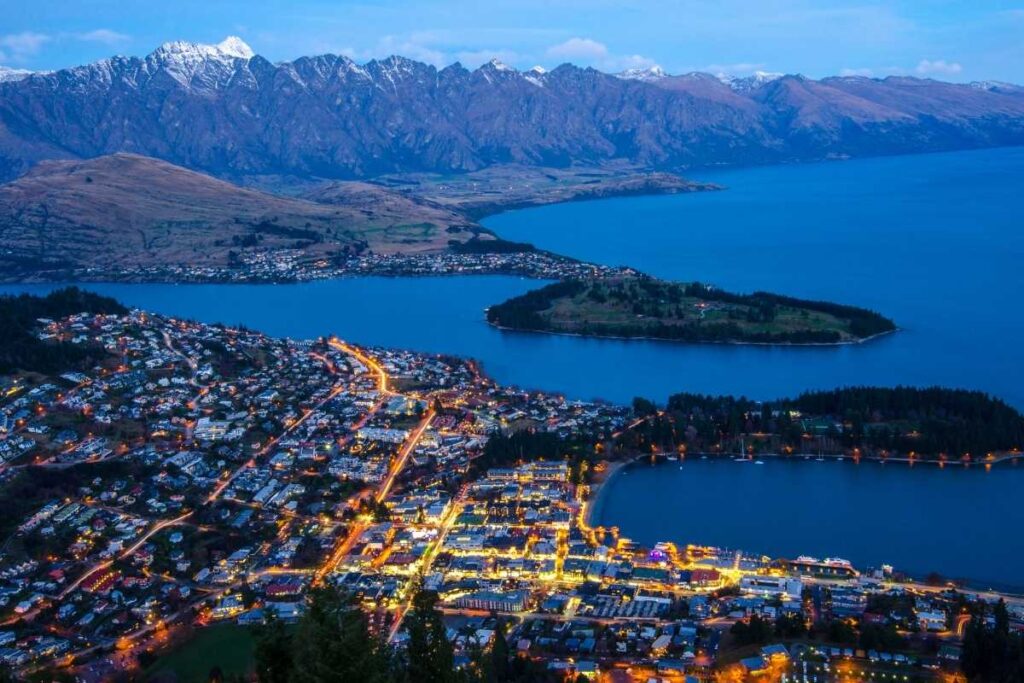
Queenstown sits on the shores of Lake Wakatipu, framed by the Remarkables mountain range, and its reputation as the adventure capital of the world is not exaggerated. Bungee jumping was commercialized here in the 1980s, and the list of activities has grown relentlessly since: jet boating, skydiving, paragliding, canyon swinging, skiing at Coronet Peak and The Remarkables, and mountain biking trails that descend from the peaks into town.
But Queenstown also works for people who have no interest in jumping off anything. The lake itself is mesmerizing. The surrounding vineyards of Central Otago produce some of the finest Pinot Noir in the Southern Hemisphere. And the short drive to nearby Glenorchy, where the Dart River meets the mountains, leads to landscapes so cinematic they were used as filming locations for The Lord of the Rings.
Rotorua, North Island
Rotorua is where New Zealand’s geological violence and its deepest cultural roots exist side by side. The town sits in a geothermal zone that never lets you forget what’s happening beneath the surface: boiling mud pools, steaming vents, erupting geysers at Te Puia (home to Pōhutu, the Southern Hemisphere’s largest active geyser), and the unmistakable smell of sulfur that hangs in the air and becomes oddly normal after a day.
Rotorua is also the heartland of Māori culture in New Zealand. A visit to Te Puia or Tamaki Māori Village includes a traditional pōwhiri (welcome ceremony), a performance of the haka, and a meal cooked in a hāngi (earth oven). These experiences are run by Māori communities and offer a connection to indigenous tradition that goes beyond spectacle.
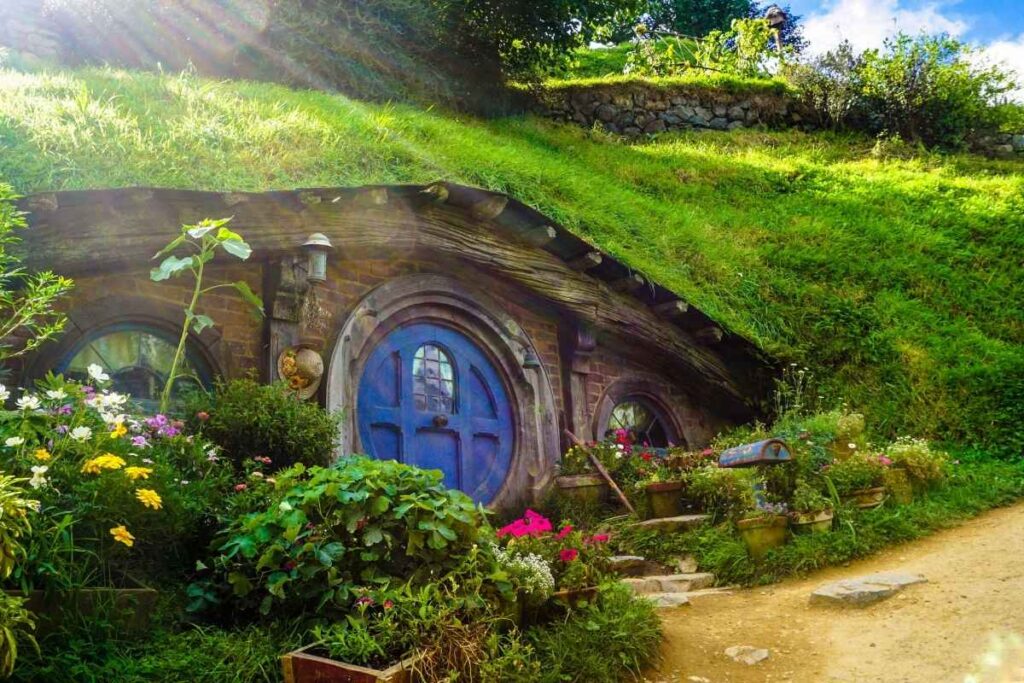
About 45 minutes from Rotorua, near the town of Matamata, you’ll find the Hobbiton Movie Set, the fully preserved film location used in Peter Jackson’s Lord of the Rings and Hobbit trilogies. The 44 hobbit holes, the Green Dragon Inn, and the Party Tree remain exactly as they appeared on screen, set into the rolling green farmland of the Waikato region. Whether or not you’re a fan of the films, the craftsmanship of the set and the beauty of the landscape make it one of the most visited attractions in the country.
Tongariro Alpine Crossing, North Island
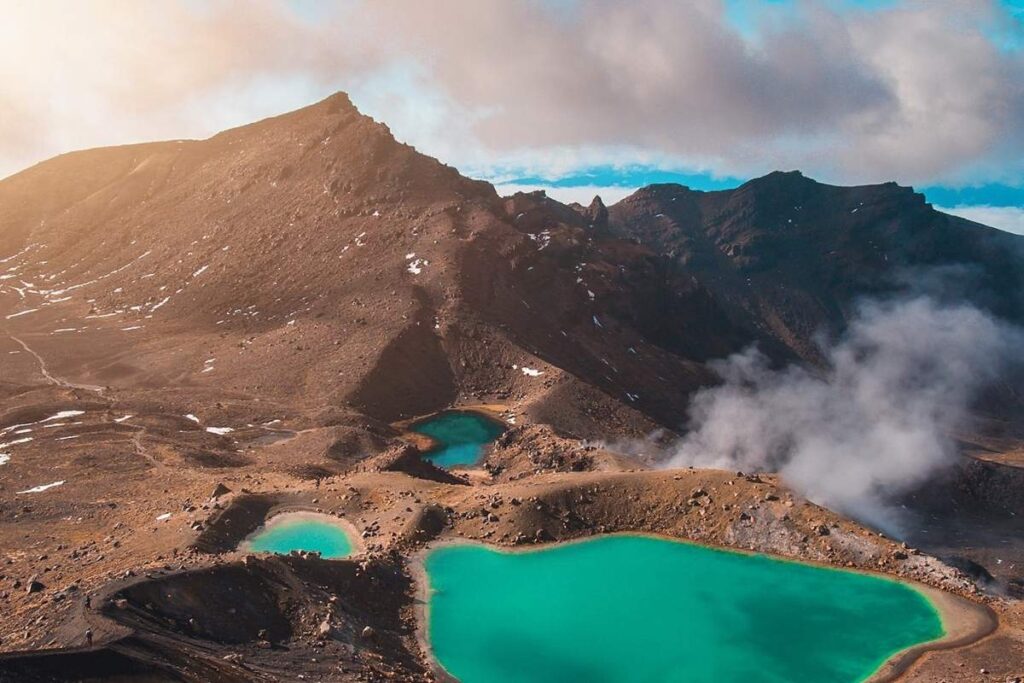
The Tongariro Alpine Crossing is widely regarded as one of the best single-day hikes in the world. The 19.4-kilometer trail crosses the volcanic plateau of Tongariro National Park, a dual UNESCO World Heritage Site (recognized for both natural and cultural significance), passing active craters, steaming vents, emerald lakes, and views that shift from lunar desolation to alpine grandeur within the same hour.
The crossing takes approximately 7 to 8 hours and requires a reasonable level of fitness. Weather changes rapidly at altitude, and the park service occasionally closes the trail for safety. Check conditions before you go and carry layers regardless of the forecast.
Bay of Islands, North Island
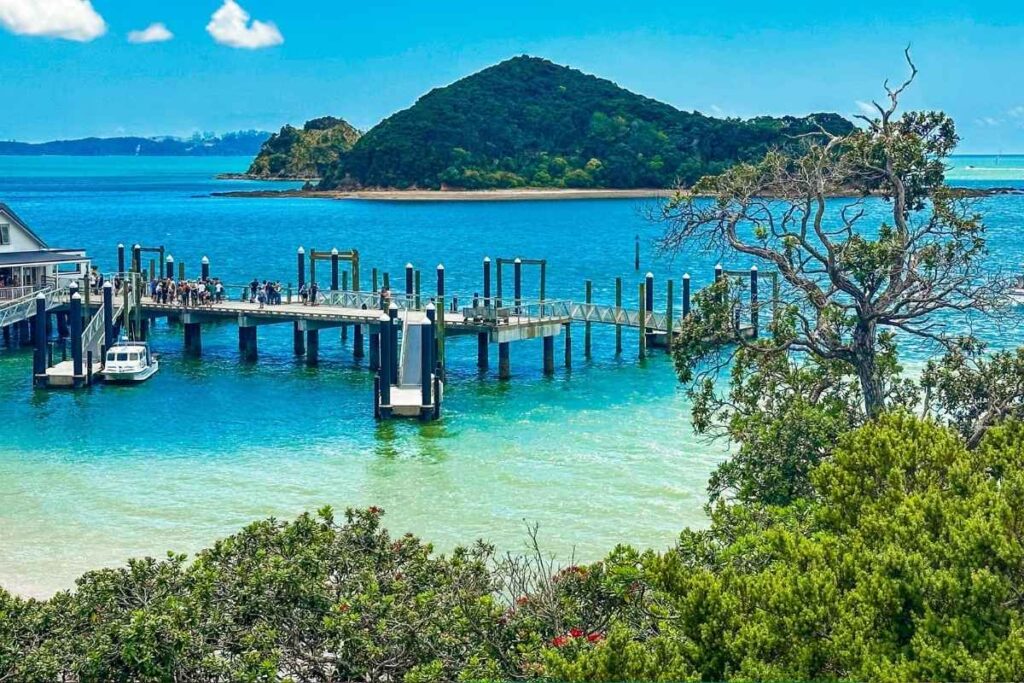
The Bay of Islands occupies the subtropical northern tip of the North Island and contains 144 islands scattered across a sheltered, turquoise-water bay. This is where modern New Zealand history began: the Treaty of Waitangi, the founding document between the British Crown and Māori chiefs, was signed here in 1840 at the Waitangi Treaty Grounds, which now houses a museum and cultural center.
Beyond the history, the Bay of Islands is simply beautiful. Sailing, kayaking, dolphin watching, and diving around the Poor Knights Islands (one of Jacques Cousteau’s top ten dive sites) make this one of the most rewarding coastal destinations in the Pacific.
Wanaka, South Island
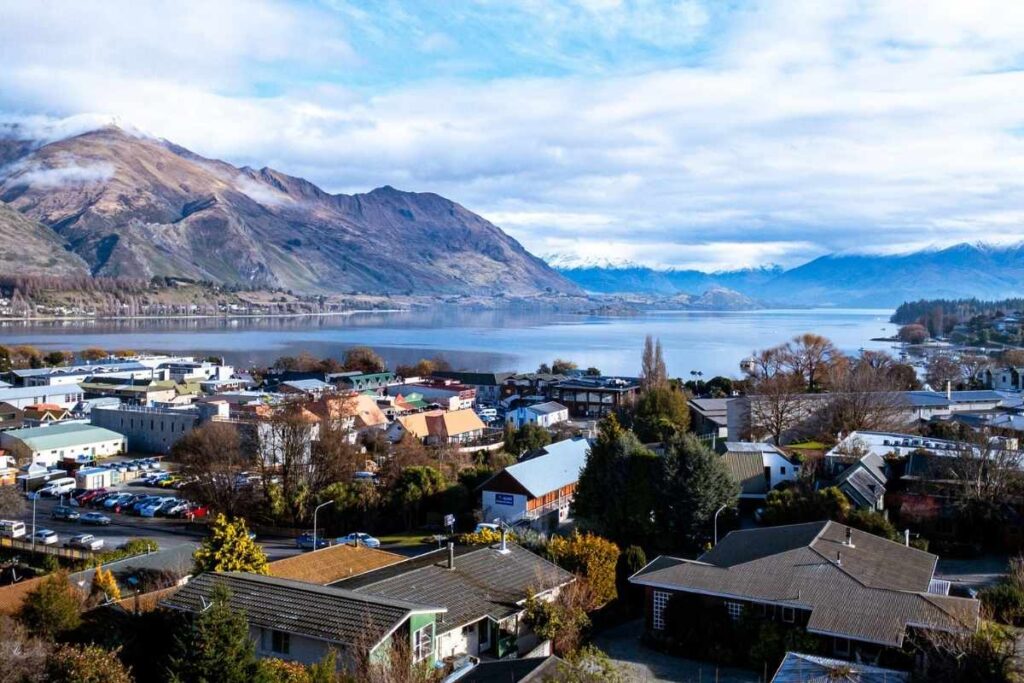
If Queenstown is the extrovert, Wanaka is the quieter friend who doesn’t need to prove anything. This small lakeside town sits on the edge of Lake Wanaka, with views of Mount Aspiring National Park and a pace of life that runs several gears slower than its famous neighbor an hour south. The famous Wanaka Tree, growing alone in the shallow water near the shore, has become one of the most photographed trees on the planet.
Wanaka is a base for hiking, skiing at Treble Cone and Cardrona, and exploring the Blue Pools of the Makarora River, where glacial water runs so clear that the submerged rocks appear to float.
Abel Tasman National Park, South Island
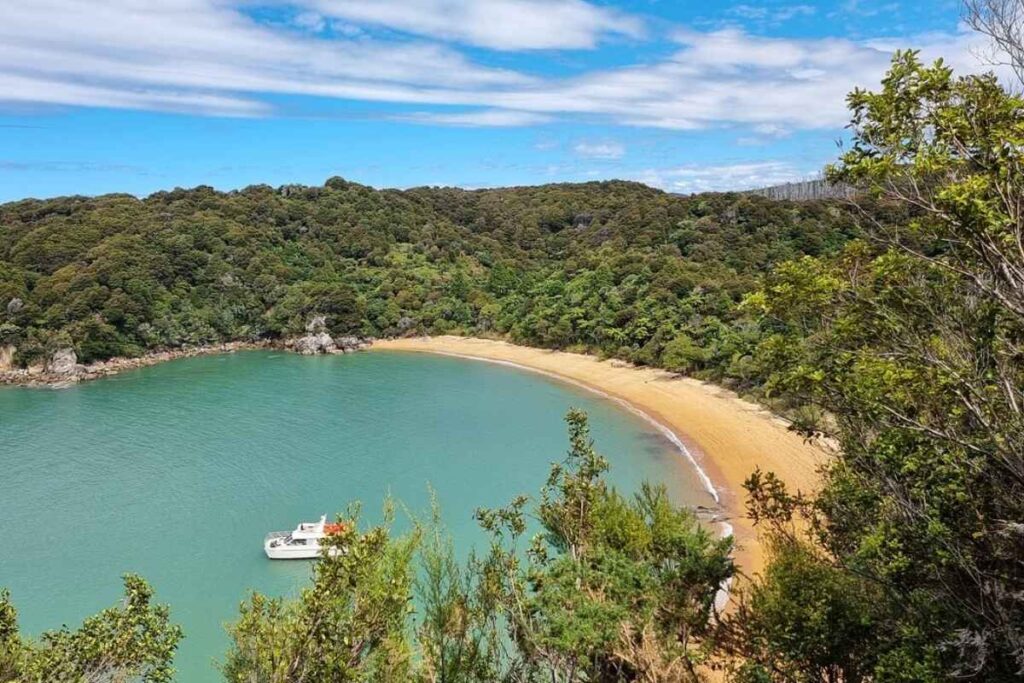
Abel Tasman is New Zealand’s smallest national park and arguably its most beautiful coastal one. The Abel Tasman Coast Track, one of the country’s Great Walks, follows the shoreline for 60 kilometers through golden sand beaches, turquoise bays, and native bush. You can walk it in sections, combine hiking with water taxis, or kayak the coastline independently.
The water here is warm enough for swimming from November through March, and the beaches, accessible only on foot or by boat, feel almost tropical in their clarity and color.
Aoraki / Mount Cook, South Island
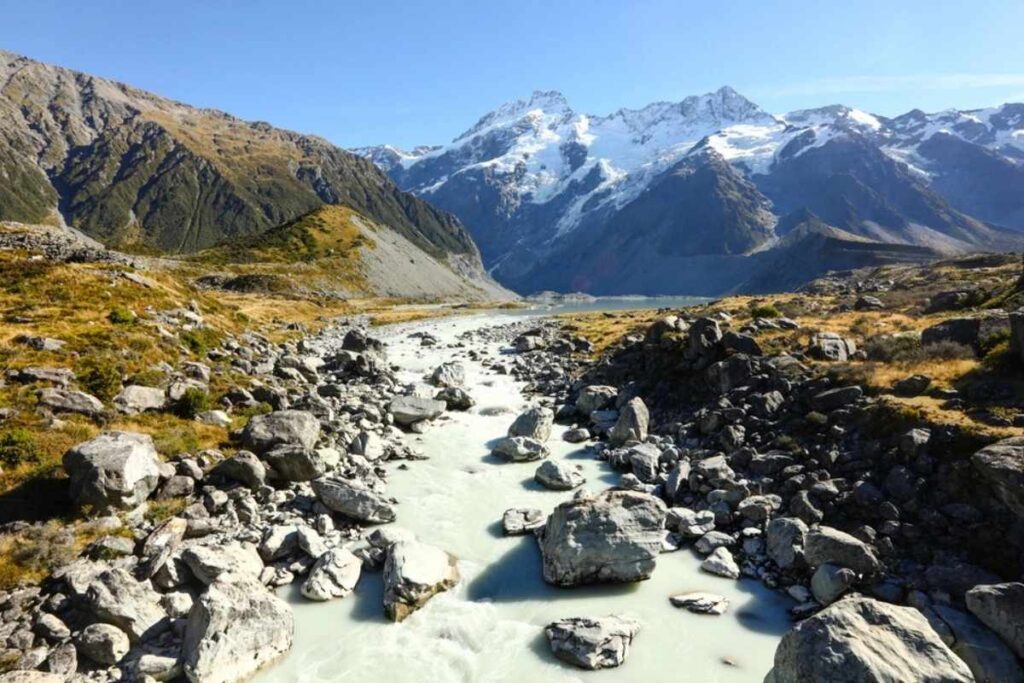
Aoraki / Mount Cook is New Zealand’s highest peak at 3,724 meters, and the national park that surrounds it is one of the most visually stunning places in the country. The Hooker Valley Track, a three-hour return walk through glacial valleys with suspension bridges and views of the peak, is one of the most accessible and rewarding short hikes in New Zealand.
For stargazers, the nearby Aoraki Mackenzie International Dark Sky Reserve is one of the largest dark sky reserves in the world. On a clear night, the Milky Way is visible in a detail that is genuinely difficult to process.
Wellington, North Island
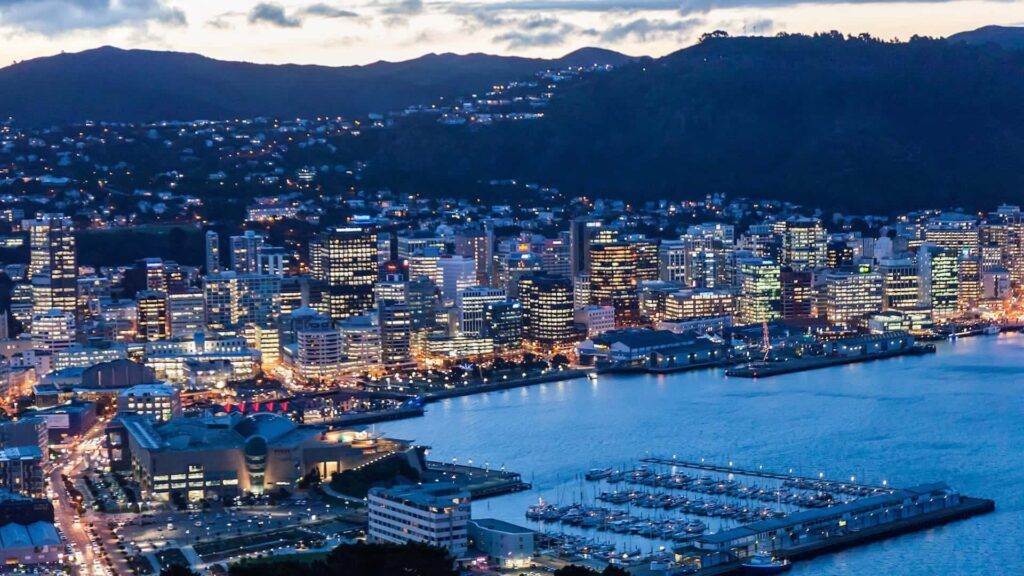
New Zealand’s capital is compact, walkable, and punches above its weight in culture, food, and personality. Te Papa Tongarewa, the national museum, is one of the best free museums in the Southern Hemisphere. The cable car from Lambton Quay to the Botanic Garden is iconic. And the café and restaurant scene, concentrated around Cuba Street and Courtenay Place, rivals cities ten times its size.
Wellington is also the departure point for the Interislander ferry across the Cook Strait to Picton, a three-hour crossing through the Marlborough Sounds that is itself one of the great scenic journeys in the country.
Waitomo Glowworm Caves, North Island
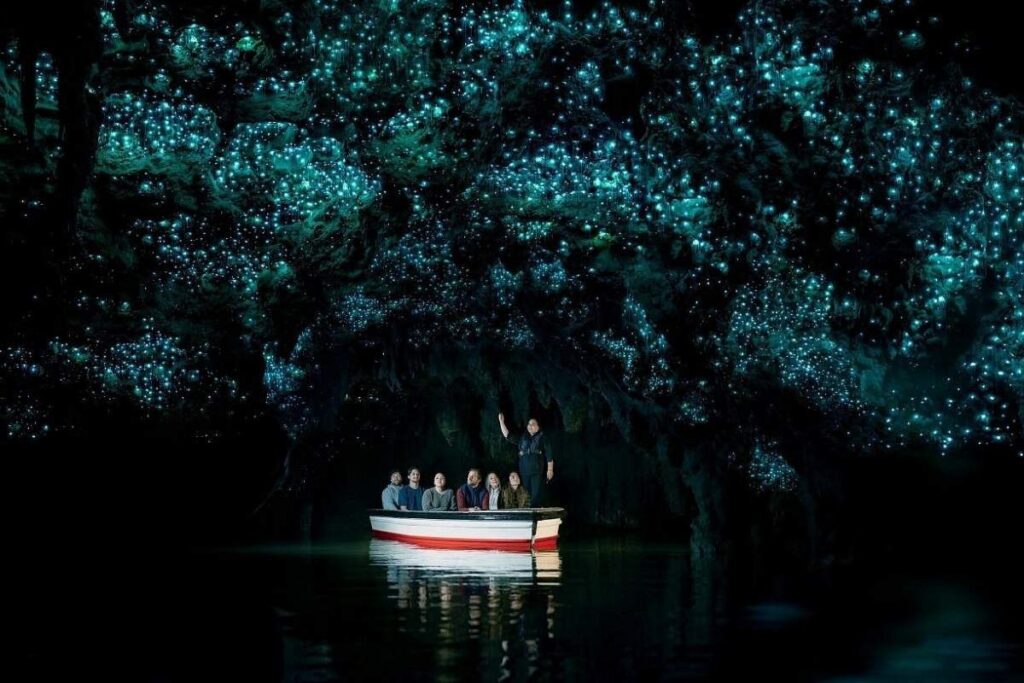
About two hours south of Auckland, the Waitomo Caves offer one of New Zealand’s most extraordinary natural experiences. Thousands of Arachnocampa luminosa, a species of glowworm endemic to New Zealand, cling to the cave ceilings and emit a bioluminescent blue-green light that transforms the underground river into something that looks like a starfield. A silent boat ride through the glowworm grotto is quiet, strange, and unforgettable.
New Zealand does not do things halfway. Every landscape is dialed up, every hike leads somewhere worth the effort, and every region has something the others don’t. The only real mistake you can make is not giving the country enough time. Two weeks is good. Three is better. And even then, you’ll leave knowing you missed something worth coming back for.